
When a hailstorm or heavy snow hits your Denver home, your roof often takes the brunt. Whether it’s cracked shingles, dented flashing, or sudden leaks, a roof insurance claim helps you recover without shouldering the full repair cost. But here’s the thing timing is everything.
A roof insurance claim is the process of requesting compensation from your homeowners insurance provider after your roof has sustained storm-related damage. Acting fast isn’t just a suggestion; it’s a safeguard. The longer you wait, the harder it becomes to prove the damage was storm-related and not wear and tear.
This guide breaks down every step: spotting damage, documenting it clearly, filing your claim, meeting with your adjuster, and getting qualified roof repairs underway. We’ll also explain how Denver’s volatile weather hail, snow, and freeze-thaw cycles makes fast action even more critical for protecting your claim eligibility and your home.
Does Homeowners Insurance Cover Roof Storm Damage in Denver?
If your roof gets slammed by hail or wind, one of the first questions is whether your homeowners insurance has your back. The short answer: usually yes but the fine print matters, especially in a high-risk storm zone like Denver.
Let’s walk through what’s typically included, what gets excluded, and what’s unique about Colorado policies.

What types of storm damage are usually covered?
Most standard homeowners insurance policies cover “sudden and accidental” storm-related damage. In Denver, that often means:
- Hail damage: One of the most common claims in Colorado. Insurers typically cover cracked, dented, or punctured shingles caused by hailstones.
- Wind uplift and blown shingles: If high winds tear shingles off or damage flashing, that’s usually covered.
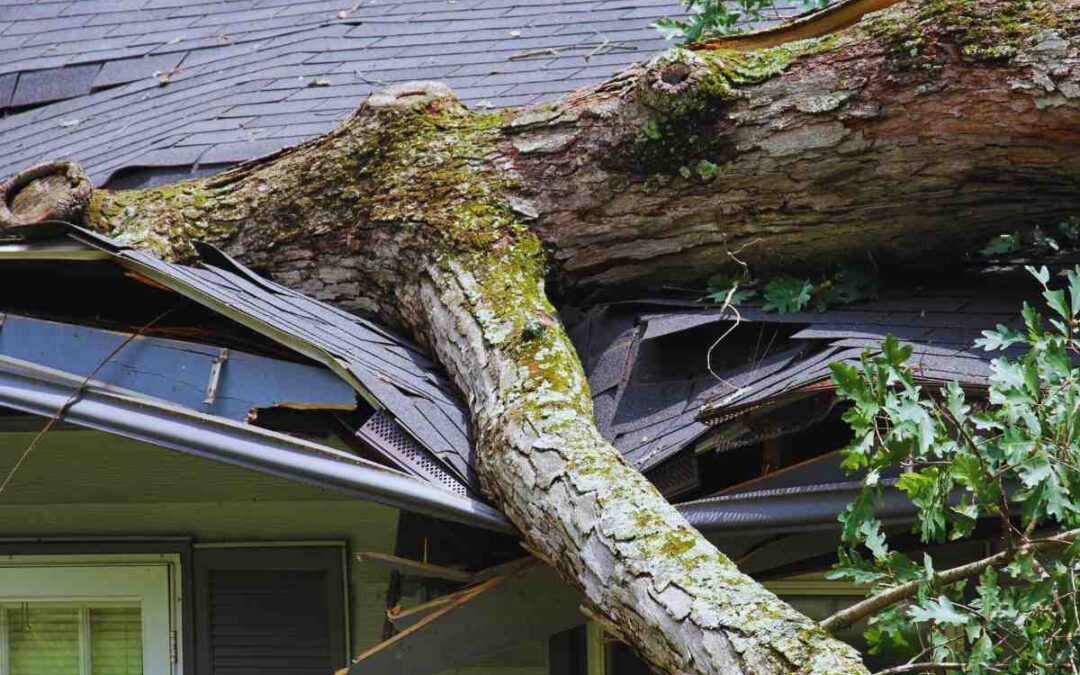
- Falling tree limbs: Damage caused by trees knocked over during a storm is generally eligible.
- Water damage from roof leaks due to storm: If water intrusion is a direct result of storm damage (e.g. hail cracked your roof and water got in), that’s often included.
Each of these needs to be clearly tied to a specific storm event documented with dates, photos, and (ideally) local weather reports.
What roof damage is often not covered?
Coverage starts to fall apart if the damage can be blamed on age or neglect. Insurers may deny claims when the cause is:
- Pre-existing wear and tear: Cracked shingles or loose flashing that existed before the storm usually won’t be reimbursed.
- Lack of maintenance or old roofs: If your roof is well past its lifespan (15–25 years depending on material), or has been poorly maintained, insurers may reduce or deny your claim.
- Cosmetic-only hail damage: Some policies in Colorado now exclude minor aesthetic dings—even if your shingles look beat up, if they still function, you might not get coverage.
This is why having regular roof inspections can work in your favor, helping prove the damage was new and storm-related.
What’s different in Colorado/DENVER policies?
Due to the high frequency of hailstorms across the Front Range, Colorado insurers often structure policies differently:
- Separate wind/hail deductibles: Instead of your standard deductible, storm-related claims may come with a higher percentage-based deductible—typically 1–2% of your home’s insured value. That adds up fast.
- ACV vs RCV payouts: Many policies in Denver are shifting to Actual Cash Value (ACV) for older roofs, which means depreciation is subtracted from your payout. To get full coverage for roof replacement, you’ll want Replacement Cost Value (RCV) coverage especially if your roof is newer.
Understanding these details up front helps you avoid surprises after filing. If you’re unsure how your policy handles Denver-specific risks, consider speaking with a local roofing contractor or insurance adjuster who understands how Colorado carriers handle storm damage.
First Signs of Roof Damage After a Storm
Spotting roof damage quickly after a storm can make all the difference between a covered insurance claim and a costly out-of-pocket repair. In Denver where hail, snow, and windstorms are frequent fast detection matters.
Here’s what to look for, when to act, and how soon you should get a professional involved.

Visual indicators homeowners can spot
You don’t need to climb on the roof to know something’s wrong. After a storm, start with a ground-level inspection:
- Missing shingles: Look for bare spots or curled edges along the roofline.
- Dents on gutters or flashing: Hail often leaves visible dings on soft metal areas like downspouts, vents, or drip edges.
- Granule loss on asphalt shingles: Check your gutters and downspouts for piles of dark grit. Granule loss reduces shingle protection.
- Water stains in the attic or ceiling: Brown spots, peeling paint, or musty smells could signal a new leak.
- Debris buildup in valleys: Leaves or branches trapped in roof valleys can block water drainage and increase leak risk.
If you see even one of these signs, it’s smart to take photos and document the date of the storm.
When to call a roofer or public adjuster
Sometimes the damage isn’t obvious from the ground. These are situations where calling a professional is a smart move:
- You heard hail but don’t see damage: Hail can bruise shingles beneath the surface. A roofer can check for non-visible impact.
- Neighbors are filing claims: If homes around you were affected, chances are yours was too—even if it looks okay.
- Roofing sales reps are canvassing the area: If roofers are knocking on doors in your neighborhood, they know there’s claim-worthy damage nearby.
Denver’s roofing pros are familiar with the patterns of local storms. Getting an inspection early helps preserve your timeline for insurance filing. If you heard hail but don’t see visible roof damage, it’s still smart to document and investigate many homeowners don’t realize hail damage insurance claims in Denver are valid even without obvious leaks.
How fast should you act after a storm in Denver?
Act within 48 to 72 hours of the storm, if possible. This protects your eligibility for insurance coverage and gives you time to gather documentation.
Many Colorado homeowners insurance policies have strict reporting windows, especially for hail and wind claims. Some carriers require damage to be reported within 7–14 days, so check your policy details.
Delays can give insurers reason to deny or reduce your payout. Acting fast keeps you in control and gives your claim a better shot at approval.
Step-by-Step Guide to Filing a Roof Insurance Claim in Denver
Filing a roof damage insurance claim doesn’t have to be overwhelming especially if you’ve just been through a Denver hailstorm or wind event. This step-by-step guide breaks it down so you know exactly what to do, when to do it, and how to protect your payout.

Step 1 – Document everything
Start by collecting solid proof of the storm and any damage to your property:
- Take photos from multiple angles, including wide shots of the roof and close-ups of specific issues like torn shingles or dents.
- Note the date and time of the storm—write it down and save it.
- Save weather alerts, radar screenshots, or local news reports confirming the storm in your area. These act as third-party verification.
Your goal here is to create a paper trail. The more you document, the harder it is for the insurer to deny your claim.
Step 2 – Schedule a roof inspection
Reach out to a licensed roofer or storm restoration contractor for a full inspection. Choose someone experienced with Denver’s hail and wind damage patterns.
Ask for a written inspection report not just photos. This should detail where the damage occurred, what type it is (hail, wind, water intrusion), and whether repairs or full replacement are needed. Before calling your insurer, schedule a licensed roof inspection in Denver to confirm the damage and generate a report you can submit as part of your claim.
Step 3 – Contact your insurance company
With your documentation and inspection report ready, call your insurance company to open a claim.
Have your policy number handy and ask the right questions:
- Is the deductible per claim or annual?
- What are the next steps after filing?
- Will they send an adjuster or ask for your inspection?
You’ll be assigned a claim number write it down and refer to it in all follow-ups.
Step 4 – Meet with the adjuster
When the insurance adjuster arrives, make sure your contractor is also on-site. This helps ensure nothing is overlooked or misreported.
Walk the property together and compare notes on the damage. Your contractor can advocate for accurate documentation and help explain technical issues.
Also ask how your payout is calculated many Denver policies use ACV (Actual Cash Value) first, then release RCV (Replacement Cost Value) after repairs.
Step 5 – Get repair quotes
Once the adjuster provides a scope of loss, gather repair quotes from contractors. Even if you already have someone in mind, having multiple bids can help you negotiate fairly. Always compare multiple estimates, ideally from local roof repair specialists familiar with Colorado’s storm patterns and insurer requirements.
Make sure the estimate matches the insurance scope line by line. Discrepancies could delay your payout or force out-of-pocket costs.
Step 6 – Approve scope and begin work
If the insurance company approves the claim, you’ll usually receive the first check based on ACV (Actual Cash Value).
Your contractor can now start the job. Once it’s completed, submit the final invoice to your insurer to receive the depreciation (RCV) payment, closing out the claim.
In Denver, staying organized and acting quickly can mean the difference between a smooth claim and a frustrating process.
Common Claim Mistakes Denver Homeowners Make
Navigating a roof insurance claim in Denver isn’t just about what you do it’s also about what you avoid. These are some of the most common missteps homeowners make during the process, especially after hail or wind events.
Waiting too long to file
Waiting too long is one of the biggest reasons insurance claims get denied. Even if the damage seems minor, delaying can lead to:
- Worsening damage from snow, sun, or ice as time passes
- Insurer suspicion that the damage isn’t storm-related
- Missed deadlines, especially under Colorado policies that may limit claim windows to as little as 12 months
If your neighborhood was hit by a storm and you suspect damage, start documenting and filing within 48–72 hours when possible.
Not understanding deductible type
Many homeowners assume their deductible is a fixed number until they file and realize otherwise.
In Colorado, wind and hail deductibles are often:
- Percentage-based, not a flat amount (e.g., 1% of your home’s insured value = $5,000 on a $500,000 home)
- Applied per event, not per year
Review your declarations page closely. If unclear, call your agent before filing. Knowing your deductible upfront helps avoid surprises and lets you decide if it’s worth filing at all.
Not reviewing the adjuster’s estimate
Insurance adjusters aren’t roofing experts. It’s common for them to:
- Miss damaged components like underlayment, vents, or flashing
- Undervalue the labor or materials needed for a proper repair
Always request a copy of the adjuster’s scope of loss, and compare it side-by-side with your contractor’s quote. If something’s missing or miscalculated, request a supplement don’t just accept the first number.
Hiring storm chasers
In the weeks after a major hailstorm, roofing contractors flood into Denver from out of state. Many are legitimate. But some are storm chasers unlicensed, uninsured, and long gone by the time problems show up.
Watch for red flags:
- Pressure to sign a contract on the spot
- No local address or references
- Out-of-state plates on trucks
- Vague answers about licensing or insurance
Before you hire anyone, check their license on Colorado’s contractor registry, look up reviews, and confirm they’ve done work locally especially in Metro Denver communities like Aurora, Lakewood, or Highlands Ranch.
Questions Colorado Homeowners Ask About Roof Claims
These are the questions Denver and Colorado homeowners ask most often after a storm. Whether it’s your first claim or just your first big storm, knowing your rights and responsibilities can save you a lot of frustration.

Will my premium go up after a roof claim?
Yes—but not always in the way you think. In Colorado, insurance companies can’t raise your premium for a storm claim unless they follow strict notice procedures. Here’s how it typically works:
- Catastrophic weather claims (like hail or windstorms) usually don’t count against you individually
- Any rate increase has to be justified across the zip code or region, not just based on your file
- You must be notified in writing before any increase takes effect
So while premiums may go up across your area, your specific claim isn’t usually the reason.
Can I claim if I didn’t see damage right away?
Yes, but time is not on your side. If you didn’t notice the damage for weeks or months, your claim may still be valid but you’ll need to show:
- Date of the storm (save local weather reports or alerts)
- Damage patterns in your neighborhood (other homes, news reports, or neighbors filing claims)
- Photos from before and after, if available
The longer you wait, the more scrutiny your claim may face. That’s why it’s smart to get a roof inspection after any major storm, even if things look fine from the ground.
Do I need a public adjuster?
Not always, but they can help. If your insurance company denies your claim, undervalues it, or refuses to cover certain repairs, a licensed public adjuster can:
- Reassess the damage and push for a fair payout
- Handle negotiations with your insurer
- File supplements for missed items in the scope of work
Just make sure they’re licensed in Colorado and experienced with hail and wind claims.
How long does it take to get paid after filing a roof claim?
Usually 7–14 days after claim approval. Delays are common during storm season or if more damage is found mid-repair. Fast document submission helps speed things up,
Can I keep the insurance money and not repair the roof?
Yes, if you own the home outright but it risks future coverage, lowers resale value, and won’t fly with mortgage lenders who require proof of repairs.
Can I choose my own roofer?
Yes—you’re not required to use the insurer’s pick. Some insurance companies suggest preferred contractors, but:
- You’re free to hire any licensed roofer you trust
- Your contractor should provide a detailed scope of work that matches the insurer’s coverage
- A local roofer familiar with Colorado code and climate is often better equipped than national chains or out-of-state vendors
Make sure your roofer understands how to work with insurance claims, not just how to build a roof. This can help avoid miscommunications and delays.
Key Takeaways: Filing Roof Insurance Claims in Colorado
Dealing with roof damage after a storm can feel overwhelming, but a few smart moves early on can protect your pocketbook and peace of mind. Here are the most important things every Colorado homeowner should remember when filing a roof insurance claim:
- Don’t delay — Many Colorado policies require you to notify your insurer within 72 hours of discovering storm damage. Waiting too long can jeopardize your claim.
- Start with a roof inspection — Call a local, licensed roofer to assess the damage before contacting your insurer. Their detailed report helps validate your claim.
- Understand how you’re paid — Know the difference between RCV (Replacement Cost Value) and ACV (Actual Cash Value). It affects both your payout and when you receive it.
- The contractor choice is yours — Insurers may recommend vendors, but you’re not required to use them. Always choose someone you trust, ideally with insurance claim experience.
- Document everything — Take wide shots and close-ups of the damage, keep emails with your adjuster, and save estimates, reports, and receipts. These help if your claim is delayed or challenged.
- Denied claim? You have options — You can appeal decisions, request a second adjuster, or consult a licensed public adjuster if you believe your payout is too low.
Even in a hail-prone state like Colorado, knowing your steps, rights, and risks puts you in control—starting with who you trust on your roof.
Final Tips to Protect Your Roof Investment
Staying ahead of roof damage doesn’t just save you from costly repairs it can also make insurance claims faster and easier when storms hit. Here’s how to protect your roof year-round:
- Schedule biannual roof inspections – Book checks in spring and fall to catch issues early and prepare for seasonal storms.
- Upgrade to Class 4 shingles – These impact-resistant shingles withstand hail better and often qualify for insurance discounts in Colorado.
- Know your policy inside and out – Read the fine print on wind/hail exclusions, deductible types, and coverage limits before storm season starts.
- Keep a roof file – Save photos, invoices, inspection reports, and claim paperwork in one place. If you need to file again, you’ll be ready.
Need help figuring out if your roof damage is claim-worthy? Abraham Benson Roofing can inspect your roof and help document exactly what your insurer needs before things get worse.

Recent Comments