
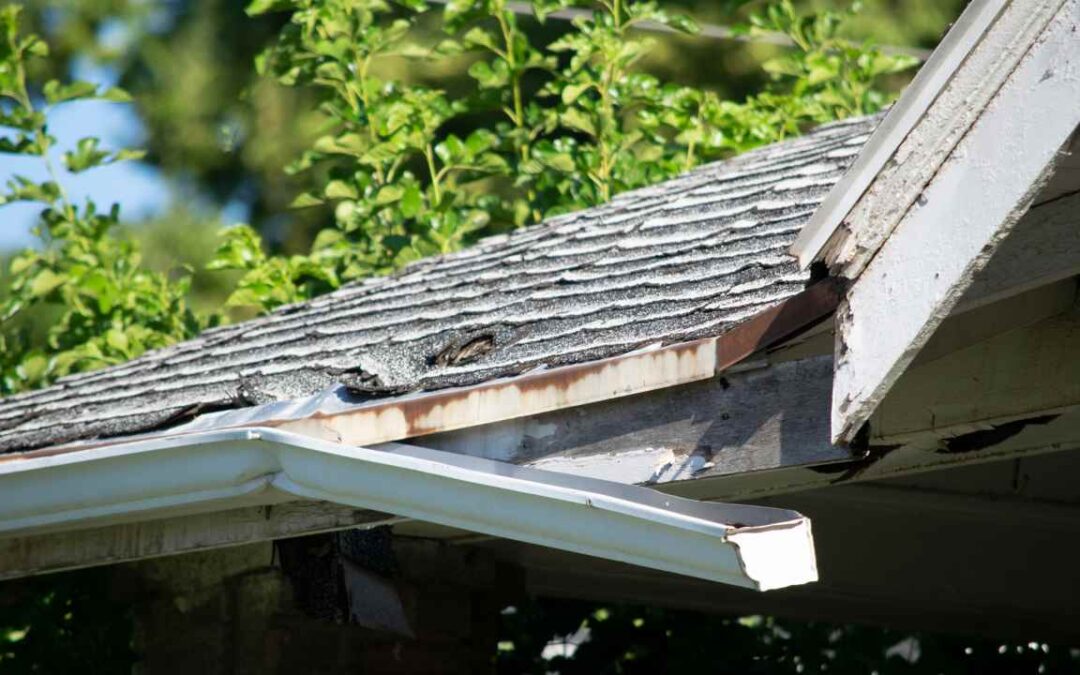
Warm afternoons, cold nights, and fast spring hail are normal in Denver. That mix punishes shingles, flashings, and sealants, so small weak points turn into leaks sooner than many owners expect. If a roof looked fine last season but now shows bruising, curling, or ceiling stains, the climate is the likely driver.
Early roof failure is the loss of reliable weather protection years before the roof’s expected service life or warranty term. In this guide you’ll see how hail impact, high-altitude UV, wind uplift, and freeze–thaw patterns create premature wear in Metro Denver. We’ll pinpoint where failures usually start, which materials cope better at elevation, how ventilation and insulation change outcomes, and when repair or replacement makes more sense. You’ll finish with plain next steps and trusted resources tailored to local conditions.
Quick Roof Insights for Denver Homes
Here’s the short version. Denver’s hail, sun, wind, and freeze–thaw punish weak details first. Fix the details and you add years to the roof.
Biggest drivers: Hail, high-altitude UV, freeze–thaw, wind uplift shorten lifespan if edges and flashings are weak.
First failure points: Flashings, eaves, valleys, skylight curbs, sun-facing slopes show damage earliest.
Hail reality: Class 4 shingles reduce damage, not eliminate it. Correct nailing, starters, and underlayment still decide outcomes.
Ice dams: Warm attics and cold eaves create melt lines. Air sealing, balanced soffit intake and ridge exhaust, and ice-barrier underlayment cut the risk.
UV at elevation: South and west slopes age faster. Impact-rated asphalt, coated metal, or tile over quality underlayment hold up better.
Repair vs replace: Choose by pattern, not panic. Systemic granule loss, widespread mat fractures, repeat storm fixes, or chronic ice-dam leaks point to replacement.
Maintenance rhythm: Seasonal checks of edges, flashings, penetrations, sealants, and debris prevent small issues from spreading.
Claims basics: Document fast with time-stamped photos and soft-metal dents, then consider a qualified inspection to align with roof damage insurance claims steps in Metro Denver.
What Are the Main Reasons Roofs Fail Early in Denver?
Denver’s climate stacks one stress on top of another. Sunny afternoons heat the roof, cold nights contract it, then spring hail arrives without warning. Add gusty winds and you have a recipe for faster wear if materials or details are marginal.
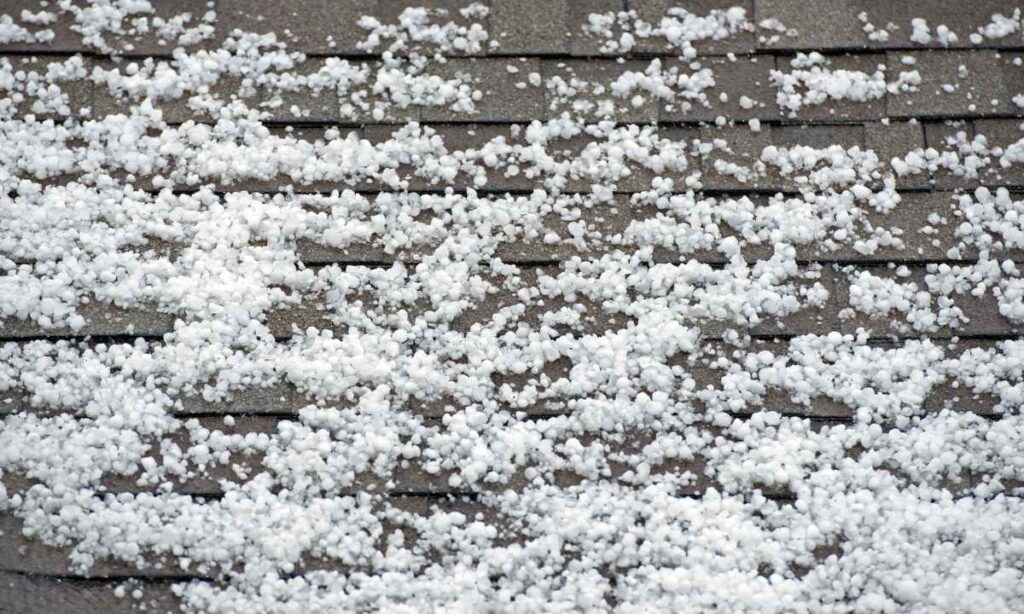
What climate stresses shorten roof life the most in Denver?
Hail impact, high-altitude UV, freeze–thaw cycles, and wind uplift are the primary drivers of early roof failure in Denver. Hail fractures the shingle mat and knocks off granules, which speeds UV aging. Strong UV at elevation dries asphalt binders and sealants. Freeze–thaw pushes meltwater under edges and into small gaps. Wind uplift tests nail placement and starter courses, so weak edges lift and break the seal line. A yearly check by professional roof inspections helps catch these issues before they spread.
Which parts of a roof fail first in this climate?
Flashings, edges, valleys, skylight curbs, and south or west slopes are the first places to show damage. Wall and chimney flashings leak when step flashing laps are short or kick-out flashing is missing. Eaves and rakes suffer when starter courses or nail lines are off, which lets wind peel up shingle edges. Valleys carry concentrated water and debris, so small defects grow quickly. Skylight curbs age faster because they combine sun exposure with multiple sealant lines. Sun-facing slopes lose granules faster, which accelerates surface wear and shortens the time between routine roof repair intervals.
How Does Hail Actually Damage Denver Roofs?
Hail is Denver’s most common roof disruptor. Stones arrive fast, vary in size across the same block, and often hit the same slope more than once. Even when shingles look intact from the ground, microscopic fractures and granule loss can set early failure in motion. Front Range storms often peak in late spring and early summer. For current seasonality or frequency data, check IBHS or NOAA before you publish your final stat.
What does hail do to asphalt shingles at the material level?
It fractures the fiberglass or organic mat and dislodges protective granules. Those granules shield asphalt from UV. When they are knocked away, the asphalt binder oxidizes faster, turns brittle, and cracks sooner. Repeated impacts on the same slope compound the effect, especially on sun-facing areas that already run hotter.
Do Class 4 shingles stop hail damage?
No. Class 4 shingles reduce damage but do not make a roof hail proof. The UL 2218 rating shows improved impact resistance, not immunity. Proper nailing, starter courses, sealed hips and ridges, and sound underlayment still decide whether edges lift or water finds a path after a storm.
What should be documented after a hailstorm?
Capture time-stamped photos, slope orientation, and collateral hits on soft metals. Photograph downspouts, vent caps, flashing, window screens, and AC fins to show impact patterns.
Can you have hail damage without leaks?
Yes. Hail can damage shingles even when no active leak is visible. Impacts bruise the mat and strip granules that protect the asphalt binder. That accelerates aging and can turn into leaks months later.
What size hail damages shingles?
It depends on shingle condition, age, and wind speed. Around one inch or larger often causes damage, but smaller stones can bruise brittle roofs. Assess the specific roof and storm conditions rather than relying on size alone.
How long after hail can you file an insurance claim?
Your policy sets the deadline, so act as soon as practical. Document conditions right away with time-stamped photos, then schedule a qualified inspection to preserve evidence.
How Do Freeze–Thaw Cycles and Ice Dams Cause Premature Failure?
Sunny afternoons melt rooftop snow. Cold evenings refreeze that meltwater at the overhangs. Over time, this pattern forces water under shingles and into small gaps, turning minor weaknesses into leaks and deck damage. In Denver, the swing from daytime sun to overnight cold makes this a recurring winter risk.

What causes ice dams in Denver homes?
Heat loss at the ceiling plane and cold eaves drive ice dam formation. Warm air escaping through attic bypasses melts snow higher on the roof while the overhangs stay cold. Common culprits include unsealed can lights, plumbing and flue chases, attic hatches without gaskets, and soffits that are blocked or never vented.
What fixes reduce ice dams the most?
Balanced soffit intake and ridge exhaust, combined with air sealing and appropriate insulation, cut ice dam risk. Air seal the ceiling plane first, then add insulation to recommended levels for this climate. Drip edge and an eave underlayment rated for ice barriers add a safety margin when melt–refreeze events happen. If you suspect blocked vents or thin insulation at the perimeter, schedule roof inspections to diagnose ventilation and air sealing gaps before winter.
Does High-Altitude UV Shorten Roof Lifespan?
Denver sits at elevation, which means stronger UV than many places at sea level. UV dries asphalt binders, weakens sealants, and accelerates surface cracking. When granules wear away, shingles lose their UV shield and age faster. If you notice uneven wear on south or west faces, UV is a likely factor.
Which materials hold up better under strong UV?
Impact-rated asphalt with high granule retention, properly coated metal, and tile over quality underlayment perform better under Denver sun. Class 4 asphalt systems resist surface scuffing and tend to keep granules longer. Painted or factory-coated metal reflects more solar energy and protects the substrate when the coating is specified and maintained correctly. Concrete or clay tile shades the deck and, paired with a robust underlayment, manages heat and UV well on steep-slope roofs.
Do roof coatings extend life on low-slope areas?
Yes. When the coating is compatible with the membrane and applied to specification, it can reduce heat cycling and surface oxidation on low-slope sections. Coatings are not a cure all, but they can add service life on porch roofs or small commercial sections by lowering surface temperature and shielding the membrane from UV. If you are unsure whether your low-slope area is a good candidate, book professional roof inspections to assess substrate condition, seams, and ponding before considering a coating.
What Installation Details Fail First in Denver Conditions?
When weather is harsh, details decide how long a roof lasts. Denver’s wind, hail, and UV expose any weakness in the way flashings meet walls, how shingles start at the eaves, and where water concentrates.
Where do early leaks usually start?
Wall and chimney flashings, valleys, skylight curbs, and eaves are the first places to leak. Sidewalls need correct step flashing with each shingle course and a kick-out flashing at the bottom to throw water into the gutter. Chimney counterflashing must be cut into the masonry, not glued to the surface. Valleys carry the most water and collect debris. Skylight curbs mix multiple metal laps and sealant lines, which age fast under Denver sun.
Why do nail placement and starter courses matter with wind?
Incorrect nailing and missing starter courses allow edge lift and seal line failure during gusts. Nails must sit in the shingle’s designated strip and penetrate the deck. A true starter course with adhesive at the eaves and rakes locks the first row so wind cannot get under the edge. If you notice lifted edges, missing tabs, or stains near sidewalls, schedule prompt roof repair in Metro Denver before wind and meltwater widen the damage.
What does balanced ventilation mean in practice?
Continuous soffit intake matched to ridge exhaust with clear airflow paths. Fresh air enters at the soffits and exits at the ridge so warm, moist air does not stagnate against the deck. Baffles at the eaves keep insulation from blocking the intake path and maintain a clean channel up to the ridge. On complex roofs, each dead-end bay needs its own intake and exhaust.
What insulation and air-sealing targets matter here?
Seal attic bypasses first, then insulate to levels appropriate for the Front Range. Gaps around can lights, bath fans, attic hatches, and utility chases let warm air leak into the attic where it condenses on cold surfaces. Once those leaks are sealed, added insulation keeps heat in the living space and evens out roof temperatures.
Are You Using the Right System for Your Neighborhood Hazards?
Every Denver neighborhood faces a slightly different mix of risk. Some blocks see frequent hail. Others run hotter and drier with strong sun and afternoon wind. Match the roof assembly to the local pattern rather than chasing brand names.
When does metal or tile outperform asphalt in Denver?
In areas with frequent hail or strong UV, properly specified metal or tile over quality underlayment can outlast budget shingles. Factory-coated steel and aluminum resist UV aging and shed heat well. Hail may leave cosmetic dents, but seams and fasteners often stay watertight when installed to spec. Concrete or clay tile shades the deck and manages heat. Class 4 asphalt still performs well for many homes, but where storms cluster or sun exposure is intense, premium metal or tile systems tend to hold service life more consistently.
What about low-slope membranes?
EPDM, TPO, or modified bitumen installed to manufacturer specification with ponding control is the right approach for low-slope sections. EPDM offers strong weathering performance and easy detailing. TPO brings higher reflectivity and energy benefits when seams are welded correctly. Modified bitumen provides robust puncture resistance with layered redundancy. If you are weighing a full system change rather than a spot repair, discuss a plan for residential roof installation and replacement in Metro Denver so the assembly matches your block’s hail and sun exposure.
What Maintenance Schedule Prevents Small Failures From Snowballing?

Light, regular care goes a long way in Denver. Heat, UV, and hail punish small weaknesses, so a simple routine helps you catch problems before they spread. Think of it like servicing a car. Short, consistent checks keep you from paying for major work later.
What should be on a seasonal roof checklist?
Edges, flashings, penetrations, sealants, and debris load should be checked each season. Start with eaves and rakes. Look closely at wall and chimney flashings, valleys, and skylight curbs. Clear gutters and valleys so meltwater and summer storms can move off the roof. After any major hail or wind, add a slope-by-slope look from a safe vantage point and note bruising, missing granules, or displaced accessories.
When is repair better than waiting?
When water shedding or seals are compromised, small repairs now prevent deck rot and future claim disputes over neglect. If a recent storm created visible trouble spots, schedule roof repair in Metro Denver so a technician can reset edges, rework flashings, and reseal penetrations before the next round of heat and hail arrives.
What Do Homeowners Get Wrong About Insurance and Claims?
Most confusion starts with timing and proof. After hail, signs can be subtle. A roof may look fine from the street while granule loss and mat bruising have already shortened its life. Claims go smoother when you document early, use clear photos, and get a qualified inspection before weather erases evidence.
Do you need an active leak to file a hail claim?
No. Latent impact damage can be valid without a current leak. Hail can bruise the mat and strip granules, which speeds aging and can turn into leaks months later. Photograph soft metal dents, shingle bruises, and slope orientation, then have a licensed pro assess the roof so the record ties damage to a specific storm date.
How fast should you act after a storm?
As soon as practical, before weather wipes out indicators. Sun, wind, and new precipitation can blur impact marks and move debris. Start a dated photo log the same day if you can, then schedule an inspection to set scope while evidence is fresh.
Will Class 4 shingles lower my premium?
Sometimes. It depends on your insurer and policy form. Some carriers offer discounts for verified impact-rated systems, while others do not or limit the benefit by roof age or region.
Why did my adjuster call it cosmetic only?
Because dents that do not impair water shedding or protection are often classified as cosmetic. Functional damage includes mat fractures, broken seals, and exposed fiberglass. Photographs that show bruising and exposed fibers strengthen your case.
Can I wait until spring to file a hail claim?
You can delay, but evidence fades and deadlines apply. Policies often require prompt notice from the date of loss. Start a photo log now and review your carrier’s timing rules.
How Do You Decide Between Repair and Replacement in Denver?
Some damage is local and easy to fix. Other times the roof is aging everywhere at once, and small patches will not hold through another hail season. The choice comes down to scope, pattern, and remaining service life.
Clear replacement signals
Widespread mat fractures, systemic granule loss, repeat storm repairs, and chronic ice dam leakage point to full replacement. When bruises and cracks show on several planes, the surface is aging as a system, not from a single defect. If you have already repaired storm damage more than once in a short window, the roof may be beyond economical repair.
Pre-replacement checklist that saves money later
Balance ventilation, upgrade critical flashings, add drip edges, and choose assemblies proven at elevation before you commit. Confirm soffit intake and ridge exhaust are sized and unobstructed. Replace or improve step flashing, counterflashing, and kick-out flashing. Specify metal drip edges at eaves and rakes.
Repair vs Replace Decision Matrix
Choosing well saves money. Use the pattern below to decide when a patch holds and when a system is aging out.
| Condition | What you see | Likely next step |
|---|---|---|
| Localized damage | One or two slopes with discrete hits at edges or a single flashing leak | Targeted repair after inspection and documentation |
| Systemic aging | Granule loss and mat fractures across multiple slopes or repeated storm fixes | Plan full replacement with ventilation and flashing upgrades |
| Ice dam history | Winter leaks at eaves despite small fixes | Replace eave underlayment and address ventilation and air sealing as part of a larger scope |
A pro confirms the pattern with slope photos, fastener checks, and attic ventilation review before recommending a path.
Questions Denver Homeowners Ask About Early Roof Failure
These are the things people ask after a rough storm season. The answers are simple once you understand how hail, UV, and freeze–thaw change the rules in Denver.
Why do roofs in Denver fail before the warranty term?
Because warranty terms assume correct installation and normal exposure, which Denver hail and UV can exceed. Impact bruises, granule loss, and strong sun age materials faster than the fine print anticipates.
How long should a shingle roof last in Denver?
Often 15 to 25 years with quality installation and routine maintenance, but severe storms can shorten that. South and west slopes age sooner, and repeated hail events compress service life.
Can coatings help with hail?
No. Coatings help with UV and heat, not with rock impact. On sound low-slope areas, a compatible coating can lower surface temperature and slow oxidation. It will not prevent mat fractures from stones.
How often should I schedule a roof inspection?
At least once a year and after significant hail or wind, especially on south and west slopes. A routine visit documents condition for insurance timelines and catches small issues at edges, flashings, and penetrations.
What to Do Next for a Longer-Lasting Roof in Metro Denver
Denver’s climate is tough on roofs. Hail, high-altitude sun, wind, and freeze–thaw cycles expose weak details and speed up aging. The fastest way to protect lifespan is to focus on details first, then choose materials and upgrades that match your block’s weather pattern.
Start with a clean seasonal check that documents condition and sets priorities. If you have not had one this year, book thorough professional roof inspections to evaluate flashings, ventilation, and sun-facing slopes. Tackle small fixes right away at edges, valleys, and sidewalls so water keeps shedding cleanly. If a recent storm hit your area, review our guidance on hail damage roof repair and insurance claims and create a simple photo log before weather erases indicators. From there, plan targeted upgrades where they matter most, such as balanced intake and ridge ventilation, drip edges at eaves and rakes, and impact-rated shingles on exposed slopes. On sound low-slope sections, consider a compatible coating to reduce heat cycling and extend life.
The Research Behind Your Roofing Decisions
These references explain Denver permitting, insurance timelines, and how hail, UV, and ventilation affect roof life. Use them to verify facts and plan upgrades that last.
- Colorado Division of Insurance — consumer claims and coverage rules: https://doi.colorado.gov/
- City and County of Denver, Community Planning and Development — permits and inspections:
- https://www.denvergov.org/CommunityPlanningandDevelopment
- Insurance Institute for Business & Home Safety (IBHS) — hail and roof performance research: https://ibhs.org/
- FEMA — post-storm safety and documentation guidance: https://www.fema.gov/
- Ready.gov — disaster readiness and documentation checklists: https://www.ready.gov/

Recent Comments