
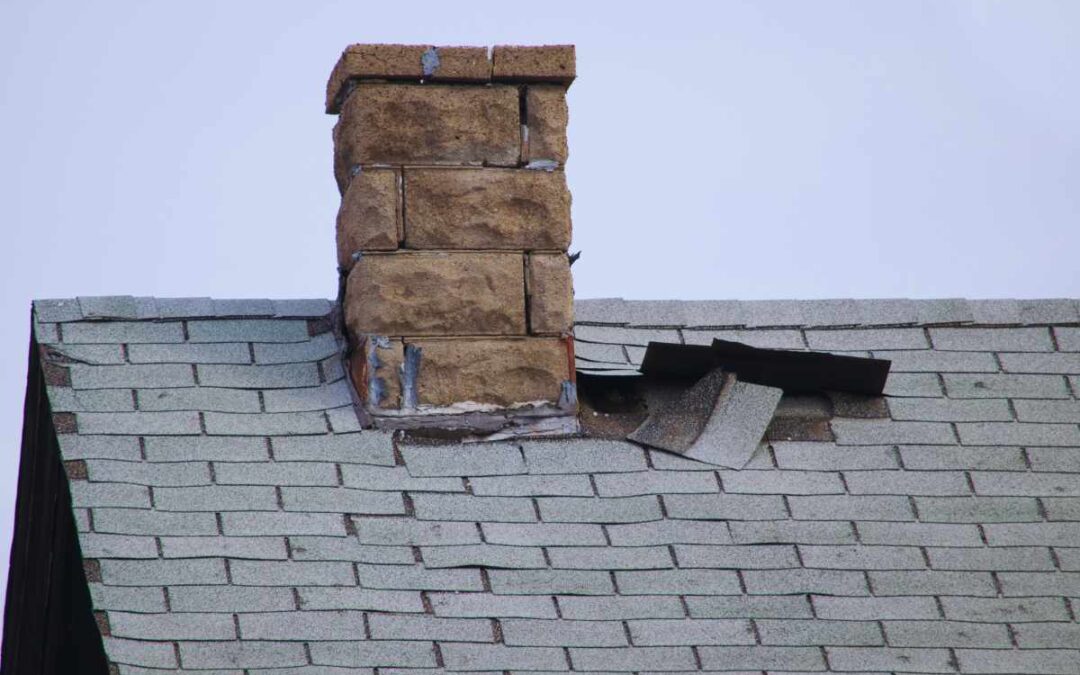
When a wind or hailstorm hits the Front Range, most homeowners expect their insurance policy to help repair the damage. The real shock comes when the denial letter arrives. That moment can feel confusing because the roof looks damaged, the storm was real, and you filed the claim correctly. Many Denver homeowners land in this same spot each year after spring and summer hail events.
A denied roof insurance claim is the insurer’s formal decision that the damage does not qualify for coverage under the policy. This article explains why that happens, how Colorado insurers evaluate hail and wind damage, and the exact steps you can take to dispute, appeal, or reopen the claim. You will understand what evidence matters, how to avoid common mistakes, and how local storm patterns can influence the outcome.
What a Denied Roof Insurance Claim Means in Colorado

A denied roof insurance claim is when your insurer formally states they won’t pay for the repairs, based on how they interpret your policy and the damage reported. If you’ve received a denial letter from your insurance company, it means they’ve reviewed your claim and decided the roof damage doesn’t meet the requirements for coverage.
It’s not always all or nothing. You might receive a full denial, where they reject the claim completely. Or a partial denial, where only certain parts of the roof like one slope or section are covered. Then there’s underpayment, where the payout doesn’t come close to covering the actual cost to fix the damage.
In all of these cases, the denial letter is key. It outlines the adjuster’s findings, refers to specific exclusions in your policy, and explains the logic behind the decision. Without that letter, it’s almost impossible to build a proper appeal.
The most common denial scenarios for Denver homeowners
Most denials in the Denver area follow a few patterns. One of the most common is “no storm damage found”, which means the adjuster didn’t find evidence that your roof was harmed by a recent storm. Instead, they may say the wear looks old or unrelated. Another common line is “pre-existing wear and tear”, usually used when a roof is showing signs of aging curling shingles, worn edges, or brittle materials that existed before the storm hit.
You might also hear that the damage is “cosmetic only.” In other words, the dents or marks don’t impact how the roof performs, so they won’t cover it. And if you waited too long to report the damage, you could run into “late reporting” issues, where the insurer claims the window to file has closed.
This isn’t random. Denver sits in a high-frequency hail zone. Insurance companies know this and often scrutinize these claims harder, especially when roofs are older or already show signs of wear.
Is a partial roof claim denial the same as a full denial?
No, a partial denial means some of your claim was approved. Typically, it means the insurer agrees to pay for repairs to one section of the roof but not the rest. You can still challenge the decision if the same storm affected the entire system.
Can my insurer deny my claim without inspecting the roof?
Yes, but it’s not common. An insurer can deny a claim based on storm tracking data, previous inspection records, or photos submitted by the homeowner. If that’s how your denial was handled, you have every right to ask for an in-person inspection or reinspection from someone qualified to assess the actual condition of the roof.
How Insurance Companies Evaluate Roof Claims in Colorado

When an insurance adjuster shows up, they’re not just glancing at your roof. They’re checking for very specific things and usually working from a checklist.
First, they’ll take a walk around the property. They’re looking for what’s called “collateral damage” on gutters, fences, air conditioners, and siding. These signs help confirm that a storm actually passed through your area. Then they move to the roof.
Their job isn’t to look at how your roof feels to live under it’s to find physical proof that a storm caused functional damage. That means shingles that are cracked, torn, or broken in a way that affects waterproofing. Superficial dents or discoloration? That’s usually labeled cosmetic and won’t trigger a payout.
Functional damage means the roof’s performance has been compromised. Cosmetic damage means it still works it just doesn’t look the same. That’s the dividing line insurers care about.
How insurers use depreciation and ACV/RCV math in claim decisions
Let’s say your roof is 18 years old. That matters a lot. Even if you’ve maintained it well, insurers will factor in its age before they write a check.
Here’s how it breaks down:
- ACV (Actual Cash Value) means they subtract depreciation and cut a check based on what your roof is worth today not what it costs to replace.
- RCV (Replacement Cost Value) means they’ll pay what it costs to replace the roof with similar materials, as long as you meet policy conditions (like finishing repairs and showing proof).
In a place like Denver where roofs take a beating from sun, hail, and snow depreciation hits hard. Asphalt shingles might last 20–25 years, but insurers start lowering the payout value well before that. So if you’re dealing with a denial or a low-ball offer, your roof’s age probably played a part.
How insurers use NOAA storm data and hail-path reports
Here’s something most people don’t know: insurers often double-check your claim against third-party weather data.
They’ll pull storm reports from NOAA or private services like CoreLogic to verify that a hail or wind event actually hit your address on the date you said. This data shows where the storm traveled, how intense it was, and how large the hailstones were.
If your ZIP code or even your street doesn’t fall within that storm footprint, your claim might get flagged. In Denver suburbs like Thornton, Centennial, or Aurora, it’s not unusual for one block to get hit hard while another stays untouched. That’s why insurers lean so heavily on mapping tools before they agree to pay.
Why insurer findings often differ from roofing contractors
This is where frustration really starts. A roofer tells you your roof has clear hail damage. Then the adjuster shows up, takes a few pictures, and says there’s nothing serious to report.
Why the gap?
Adjusters follow your insurer’s definitions what they consider “storm damage” under the policy. Roofers focus on real-world performance. If a cracked shingle is going to leak in six months, the roofer will call it out. The adjuster might say it still technically works and doesn’t count.
In short: roofers look at your roof like a system. Adjusters look at it like a checklist. That’s why second opinions matter especially if the adjuster was in and out in 15 minutes and didn’t even get on a ladder.
How do insurers determine if hail caused my roof damage?
They look for patterns that match the storm’s timing and direction. This includes circular dents, shingle bruising, and other signs of high-impact hits that match weather records. If those clues don’t line up with a confirmed hail event, they may rule the damage unrelated.
Can my roof be denied if the hailstorm didn’t hit my neighborhood directly?
Yes—and it happens more than you’d think. Carriers use detailed storm tracking to decide whether your exact address was affected. If the hail path stopped a few blocks away, they may deny the claim even if you see damage. That’s when a roofer’s documentation and a reinspection request can help make your case.
Why Denver Roof Insurance Claims Are Denied
Pre-existing damage vs sudden storm impact
One of the most common reasons a claim gets denied? The insurer says the damage was already there before the storm.
Carriers look closely for signs of aging things like shingle granule loss from long-term sun exposure, thermal cracking, or sagging that’s been happening over time. These issues fall under “wear and tear”, and policies rarely cover them.
The key difference comes down to timing. If your roof was already in rough shape, it’s harder to argue that the storm was the sole cause. But if you have photos, drone footage, or inspection records from before the hail hit, you’ve got something solid to back your case.
Tip: Any time you get a big Colorado hailstorm, take photos the next day even if you don’t see major damage. That “before and after” documentation can make all the difference if you need to file a claim months later.
Cosmetic vs functional hail damage (Colorado’s most controversial denial reason)

Here’s where things get murky.
Hail might leave visible dents in your shingles, vents, or gutters. But if those dents don’t cause leaks or impact how the roof works, many policies won’t cover it. That’s considered cosmetic damage and in Colorado, many insurers now specifically exclude it unless you have a policy rider that says otherwise.
Examples of cosmetic damage:
- Surface bruising on shingles
- Small divots on soft metal flashing
- Hail marks on ridge caps or vents
Examples of functional damage:
- Cracked, torn, or punctured shingles
- Exposed fiberglass mats
- Water leaks inside the attic or ceiling
If you’re not sure how your damage qualifies, this is where a roofing contractor can help. Many Denver homeowners dealing with denied claims discover later that what insurers called “cosmetic” actually had long-term performance consequences.
Policy deadlines and late reporting rules
Timing matters. Most homeowner policies have a claim window typically between 6 to 12 months after the storm. If you report damage too late, you’re often out of luck.
And here’s the thing: many homeowners don’t even realize their roof was damaged until much later. Maybe you didn’t see anything obvious from the ground. Maybe you were dealing with other storm repairs. Either way, the longer you wait, the more leverage your insurer has to deny.
If you’re even slightly unsure, request a professional roof inspection shortly after any large hail event. It’s faster and way cheaper than fighting a denied claim later.
Roof age, previous repairs, and installation issues insurers use to deny claims
Older roofs are often hit with higher depreciation and skepticism. If your roof is 15–20 years old, many insurers will reduce your payout drastically or even deny coverage based on its age.
Insurers also look for:
- Patchwork repairs that suggest ongoing issues
- Improper installation or materials
- Unpermitted work that violates local code
If your roof has a history of leaks or repair attempts, the adjuster might argue the storm didn’t cause the current problem it just revealed an old one. That’s a tough position to push back on without expert help.
Can my insurer deny my roof claim because the roof is old?
Yes—but not automatically. They can’t deny the claim just because of age, but they can reduce your payout significantly through depreciation. If the roof is near the end of its life, they may argue it failed due to age, not storm damage.
Is cosmetic hail damage covered in Colorado?
Not always. Many Colorado policies now include exclusions for cosmetic-only damage, especially for metal roofs or soft materials. You’ll need to check your policy wording and see if there’s a cosmetic damage endorsement included.
What to Do Immediately After Your Roof Insurance Claim Is Denied

Step 1 — Get and understand the denial letter
Start by reviewing the actual denial letter don’t rely on a phone call summary. Under Colorado law, the letter must include a clear reason for denial and reference the relevant part of your policy.
Look for:
- Policy terms cited (e.g. cosmetic exclusions, maintenance clauses)
- Phrases like “wear and tear,” “age-related deterioration,” or “not storm-related”
- The adjuster’s interpretation of damage vs. your inspection photos or storm timeline
Take notes. Compare the letter to your photos and to any inspection you’ve had done. If the denial reasoning doesn’t line up with the evidence, you’ll have a stronger case moving forward.
Step 2 — Gather your evidence and create a claim file
This is where documentation really matters.
Your file should include:
- Photos of pre-storm and post-storm roof condition (even better if dated)
- Any drone footage or third-party inspection reports
- Receipts for prior roof work, such as repairs or maintenance
- Official weather reports (from NOAA or local meteorologists) confirming storm impact on your property
If you don’t already have a detailed inspection report, now is the time. You’ll want a full roof inspection in Denver from a licensed contractor not just a quick estimate. Their report often becomes your strongest piece of evidence when disputing a claim.
Step 3 — Request clarification from your insurer (in writing)
Now that you understand the denial, go back to your insurance company but do it in writing.
You can ask:
- Can you clarify how you determined the damage was cosmetic?
- Was functional damage ruled out? If so, based on what evidence?
- Which specific policy clause was used to deny this claim?
Stick to written communication: emails or certified letters. Verbal discussions can be misremembered or disputed later. A written trail protects you and makes escalation smoother if you later pursue mediation or a public adjuster.
Step 4 — Schedule an independent roof inspection with a local Denver contractor
This isn’t just a second opinion it’s often your most valuable leverage.
A thorough inspection should include:
- Close-up photos of each damaged slope
- Annotations explaining shingle loss, bruising, soft metal impact
- Notes on structural integrity, underlayment exposure, or moisture signs
- Documentation that clearly separates storm impact from age-related wear
Work with a roofer who knows Denver’s climate and storm patterns. A local company familiar with Colorado insurance practices will write reports that adjusters understand and respect.
Do I have to pay for a roofing inspection after a denial?
Usually yes, but it’s worth it. Some roofers offer free inspections, but those are often surface-level. For a denied claim, you need a detailed, written report that holds up in disputes and that may cost $150–$500. If you win your appeal, it often gets reimbursed or factored into your settlement.
What if my adjuster refused to look at the full roof?
You can challenge it. If the adjuster only checked one slope or missed key areas, note that in writing and request a second inspection. You’re entitled to a complete evaluation, especially after a widespread hailstorm. Many claims have been reversed once overlooked damage was properly documented.
How to Dispute, Appeal, or Reopen a Denied Roof Claim in Colorado
Can you dispute a denied roof claim in Colorado?

Yes, absolutely. Colorado homeowners have the legal right to dispute or appeal a denied roof insurance claim. You don’t have to accept the first answer from your insurer—especially if the denial seems inconsistent with your policy or the damage you’ve documented.
Your insurance policy will outline specific deadlines for appeals, so don’t delay. Many carriers require written disputes within 30 to 60 days of the denial letter. If you miss that window, your options may be limited.
Step-by-step process to challenge a denial
Step 1: Review the denial letter carefully
Note the exact reasons given, the policy sections cited, and any assumptions made by the adjuster.
Step 2: Re-read your full homeowners policy
Look for coverage terms around storm damage, cosmetic vs. functional loss, and exclusions like “maintenance-related deterioration.”
Step 3: Compare your evidence to the denial reasoning
If you have dated photos, repair records, or weather confirmations that contradict the insurer’s claim, make note of that.
Step 4: Get detailed documentation from a trusted roofing contractor
Ask for a written report with photos, line-item estimates, and repair recommendations tied to specific damage. This will hold more weight than a verbal opinion.
Step 5: Submit a written appeal or dispute letter
Include your contractor report, photos, and any additional evidence. Clearly state why you disagree and what resolution you seek (e.g., full approval, partial payout).
Step 6: Request a reinspection
Insist on a new adjuster if the first one didn’t inspect thoroughly or ignored major damage.
Step 7: Track everything
Use email whenever possible. If you mail documents, use certified mail and keep copies. Record all dates, names, and reference numbers.
How roofing contractor documentation can overturn a denial
Insurance adjusters work from a checklist. Your roofer’s documentation should match that structure photos, measurements, material damage notes, and cost estimates broken out by damage area.
Why it works:
- Insurers want clear, quantifiable evidence tied to storm dates.
- A reputable roofer will include not just damage photos but also explanations for why repairs are necessary, not cosmetic.
- Detailed line-item estimates show that you’re not exaggerating or overclaiming.
If you’ve had hail damage in Denver or need a professional roof repair assessment, these internal reports often become the deciding factor in getting a denial reversed.
Can you reopen a closed claim with new evidence?
Yes, if you meet certain conditions. Colorado allows supplemental claims when new damage is discovered or when additional documentation changes the scope of work.
For example:
- You uncover structural issues during initial repairs
- A second inspection reveals hidden underlayment damage
- You were denied for “cosmetic-only” reasons, but new photos show functional failure
In these cases, it’s critical to provide new, compelling evidence and request a reinspection in writing. Most policies allow supplemental filings within 12 months, but timelines vary check your insurer’s specific terms.
Can I request a second adjuster in Colorado?
Yes, and it’s often a good idea. If the first adjuster rushed the job, missed parts of the roof, or seemed biased, you can request a second opinion. Be specific in your written request point out the areas missed or evidence ignored.
Can a roofer really help overturn a denied claim?
Absolutely. A licensed local roofer with storm damage experience knows what insurers look for. Their report can challenge an adjuster’s findings with hard evidence, and in many cases, turn the tide in your favor.
Signs of Possible Bad Faith Denial (Educational Only)
Insurance companies are legally required to handle claims in a fair, timely, and transparent manner. If your roof claim was denied, and any of the following occurred, it may be worth looking more closely at how your claim was handled:
- The adjuster never visited your property
A desk review without an on-site inspection raises serious concerns. Photos alone rarely give a full picture of roof damage. - You received conflicting explanations
If different representatives gave you different reasons or changed their reasoning mid-process that’s not a good sign. - The denial didn’t cite your policy
Every denial should clearly state what section of your policy was used to justify the rejection. If the letter doesn’t reference specific language, that’s a red flag. - The company caused excessive delays
Colorado requires insurers to handle claims “promptly and reasonably.” If your claim dragged on for months without good reason, that may violate state standards. - Your roofer’s documentation was ignored
If you submitted detailed reports, line-item estimates, or storm date evidence and the insurer refused to even review it, that could indicate biased or incomplete claim handling.
These don’t automatically prove bad faith, but they do warrant closer inspection especially if more than one applies.
What homeowners can realistically do next
If something feels off about how your claim was denied, here’s what you can do without jumping straight to a lawsuit:
- Request a written explanation
You have the right to ask for a detailed breakdown of why your claim was denied. Insurers must comply. - File a formal complaint (grievance)
Every insurer licensed in Colorado must have a process for internal disputes. Use it. This adds a paper trail and may trigger a review. - Consult a Colorado attorney
If you suspect bad faith or were financially harmed by a mishandled claim, speak with a licensed attorney who understands Colorado’s homeowner insurance laws. Many offer free consultations, especially for storm-related claims.
This process doesn’t guarantee a reversal, but it does help protect your rights and document the full picture in case legal action becomes necessary.
Can an insurer deny a claim without explaining why?
No. Colorado law requires insurers to provide a written explanation that references your policy and the reasons for denial. A vague or missing explanation violates standard claim-handling rules.
How long can an insurance company delay a roof claim in Colorado?
Most insurers must respond within 15–30 days, depending on the policy and circumstances. Unreasonable delays especially without explanation can be challenged. If it’s been more than 30 days with no resolution or updates, it’s time to push back.
Costs & Timelines Homeowners Should Expect After a Denial
How long roof claim appeals typically take
Appealing a denied roof insurance claim in Colorado usually takes anywhere from 2 to 8 weeks, depending on how responsive your insurer is and how complex the dispute becomes.
If you’re dealing with a large carrier during peak hail season especially in the Denver metro area expect additional delays. After major weather events, claim volume surges and adjusters are often backlogged for months. This isn’t illegal, but it can slow down reinspection’s and decisions.
Some insurers offer formal timelines in their internal dispute resolution process (e.g., 15–30 business days), but those are guidelines, not guarantees. If there’s no communication after 30 days, you’re entitled to follow up and escalate.
Costs homeowners may face during appeal or reinspection
If your claim was denied and you’re pursuing an appeal or requesting a reinspection, be prepared for out-of-pocket expenses, especially if you’re hiring third parties:
- Independent roof inspection: A third-party inspection from a licensed roof consultant or public adjuster may cost $250 to $500+, depending on roof complexity and report detail. This isn’t always required, but it can provide unbiased documentation.
- Temporary repairs or emergency tarping: If your roof is actively leaking or exposed, you may need to pay for tarping or patching while the appeal is underway. Expect $200 to $1,000, depending on roof size and access. Some roofers offer this as part of their estimate, but not all do.
- Document prep and estimate writing: Most roofers will provide a free quote, but line-item insurance-style estimates or storm-specific reports may come with a fee if the roofer is not bidding the job. Public adjusters or forensic inspectors typically charge for formal writeups.
If your appeal is successful, these costs are sometimes reimbursed but only if the insurer agrees they were necessary and covered under your policy.
Payment and mortgage company involvement
If your claim is eventually approved (whether after appeal or reinspection), you may not receive the full insurance check directly. Here’s what to expect:
- Mortgage lenders often hold insurance funds: When there’s an active home loan, the insurer will typically include your mortgage company on the check. That’s because the lender has a financial interest in the property being properly repaired.
- Release of funds may require multiple steps: Most lenders release funds in stages often requiring inspection of work completed. Homeowners should plan for extra time and paperwork, including submitting contractor agreements, permits, or photo updates.
- If funds are delayed, it may slow down the start or completion of the roofing work. Keep copies of all insurer and contractor communication to avoid conflicts or confusion with the lender.
Do I pay the roofer before insurance pays?
No — not unless you choose to.
Most reputable roofers in Colorado understand the insurance process and do not demand full payment upfront. They may request a signed contract or small deposit (e.g., for materials or permits), but full payment is typically made after insurance funds are released. Never pay the entire amount before the work starts, especially if your claim is still under appeal.
How long does a reinspection take?
A reinspection appointment usually takes 30 to 90 minutes, depending on roof size and damage complexity.
However, the wait time to schedule a reinspection can be several days to several weeks, particularly during Colorado’s post-storm peak periods. You have the right to request that your roofer be present during the reinspection to ensure all damage is properly documented.
What NOT to Do After a Roof Insurance Claim Is Denied

Don’t repair the roof before your appeal is reviewed
It might feel urgent to fix visible damage, especially if leaks are getting worse. But starting permanent repairs before your appeal is approved can backfire.
Insurance companies require documented evidence photos, physical inspection, and often third-party verification. Once shingles, flashing, or decking are removed or replaced, you’ve erased the damage the insurer needs to assess.
If you absolutely must protect the home (for safety or weatherproofing), only perform temporary mitigation like tarping. Take detailed photos and keep receipts. Permanent repairs should wait until you get a written outcome from the appeal or reinspection.
Don’t rely only on the insurance adjuster’s word
Insurance adjusters represent the carrier, not you. They’re often experienced, but their assessments are not final or immune to error. In Colorado, especially after hailstorms, adjusters may be rushed or unfamiliar with local code upgrades, leading to undervalued or missed damage.
That’s why getting an independent roof inspection from a licensed roofer, public adjuster, or roofing consultant is crucial. These professionals can provide a second opinion, spot missed storm damage, and prepare reports using insurance-compatible estimating software (like Xactimate).
Don’t file a brand-new claim instead of appealing the denial
Some homeowners think they can “reset the clock” by opening a new claim instead of appealing. That’s a mistake.
Filing a new claim for the same damage often results in automatic denial, especially if it involves the same weather event. It can also raise red flags in your CLUE report (Comprehensive Loss Underwriting Exchange), which insurers use to track claims history.
Always appeal or request reinspection through the original claim file unless there’s clearly new damage from a different storm or event.
Don’t hire storm chasers or unlicensed contractors
After major hail or wind events, out-of-town contractors flood Denver neighborhoods, knocking on doors and offering fast roof replacements. Many are unlicensed or uninsured, and some disappear after taking deposits.
Here’s what to watch for:
- No Colorado contractor license or physical business address
- High-pressure sales tactics (“sign today or miss your chance”)
- Asking you to sign over your insurance payout
- No written contract with scope, price, or warranty
These issues don’t just put your money at risk they can also lead to insurance disputes or refusal to release final funds. Always verify licensing with the Colorado Department of Regulatory Agencies (DORA) and check for BBB complaints or reviews before signing anything.
Can fixing my roof too early ruin my claim?
Yes — it can destroy key evidence. If you repair or replace your roof before the insurer reinspects or processes your appeal, you may lose the physical proof they need to reverse the denial.
Do storm chasers affect my insurance claim?
Yes — and not in a good way. Hiring unlicensed or out-of-state contractors can trigger insurer red flags, delay inspections, or even lead to claim disputes if workmanship doesn’t meet policy standards.
What Denver Homeowners Are Asking About Denied Claims
Why did my neighbor get approved but I got denied?
Policy details, roof conditions, and adjusters differ. Even in the same neighborhood, your coverage, deductible, or documentation may not match your neighbor’s. Small differences often lead to very different outcomes.
Does appealing a roof claim increase my premiums?
No — appeals alone don’t trigger rate hikes. However, the original hail claim may still affect your future pricing, especially in high-risk areas.
Can my insurer drop me after a large hail claim?
Yes — but usually only at renewal. One hail claim isn’t typically enough unless you’ve had multiple claims or the home is considered high-risk
Do I have to use the contractor my insurer recommends?
No — you can choose your own. You’re not required to use a preferred vendor. Just make sure your roofer is licensed and experienced with insurance processes.
Why did the adjuster say the damage isn’t from the storm?
They’re likely citing wear and tear. If they claim it’s pre-existing or unrelated, you can push back by getting a licensed roofer’s independent inspection and requesting a reinspection.
Final Thoughts for Denver Homeowners Facing a Denied Roof Insurance Claim
Roof insurance claim denials can feel frustrating and unfair, especially after major weather events like hailstorms. But a denial isn’t always final. Many claims are denied due to missing documentation, unclear damage photos, or vague policy language not because the damage isn’t real.
What matters next is how you respond. You still have options: request a written explanation, file an internal appeal, and ask for a reinspection with fresh documentation. Acting quickly protects your rights and keeps your timeline from dragging out. Most importantly, clear evidence and a well-organized paper trail often make the difference between approval and another dead end.
If you’re in this situation, know this: you’re not alone, and you don’t have to figure it all out by yourself. The path forward starts with gathering everything in one place your policy, photos, roofer estimates, adjuster reports and then getting a second opinion from someone who understands both roofs and insurance.
A local roofing professional who knows Denver’s climate and insurance trends can help you clarify next steps, avoid mistakes, and move forward with confidence. You can always start with a simple conversation. Learn more about our approach at Abraham Benson Roofing no pressure, just straightforward help.
Recent Comments