
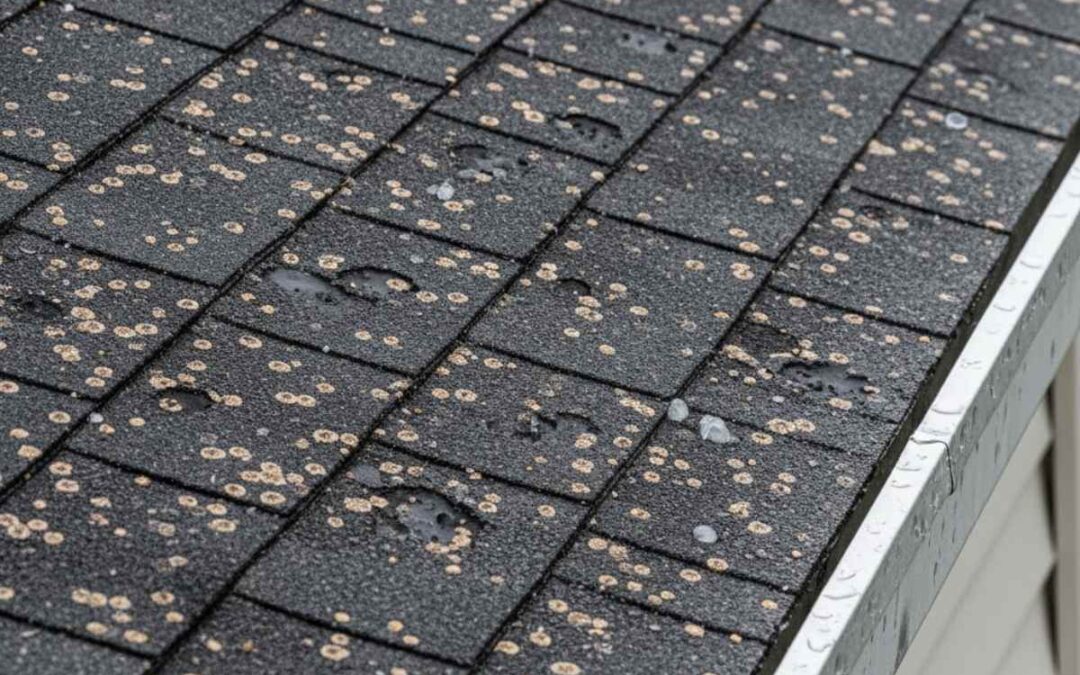
Hail damage on a roof is physical impact damage caused when hailstones strike roofing materials hard enough to dent, bruise, crack, chip, or displace protective surfaces. When hailstones hit a roof, the force of impact can remove protective granules from asphalt shingles, compress the fiberglass or organic shingle mat beneath the surface, dent soft metal components, or fracture brittle roofing materials such as tile. Those protective layers matter because they help the roof shed water and resist long term weather exposure. When they are disrupted, the roof may still function normally in the short term, but its resistance to sun, moisture, and temperature cycles can change over time.
In Metro Denver, this topic comes up often because hailstorms are a regular part of the regional weather pattern. After a storm passes, homeowners may notice dents in gutters, small marks on shingles, or debris around the property and wonder whether the roof itself was affected.
The difficulty is that not every mark on a roof comes from hail. Some surface changes come from normal aging, foot traffic during maintenance, or handling damage during installation or repair. This article explains what hail damage usually looks like, how signs differ across roofing materials, which conditions can be mistaken for hail damage, and when a closer roof inspection may help clarify what actually happened.
What Hail Damage on a Roof Looks Like
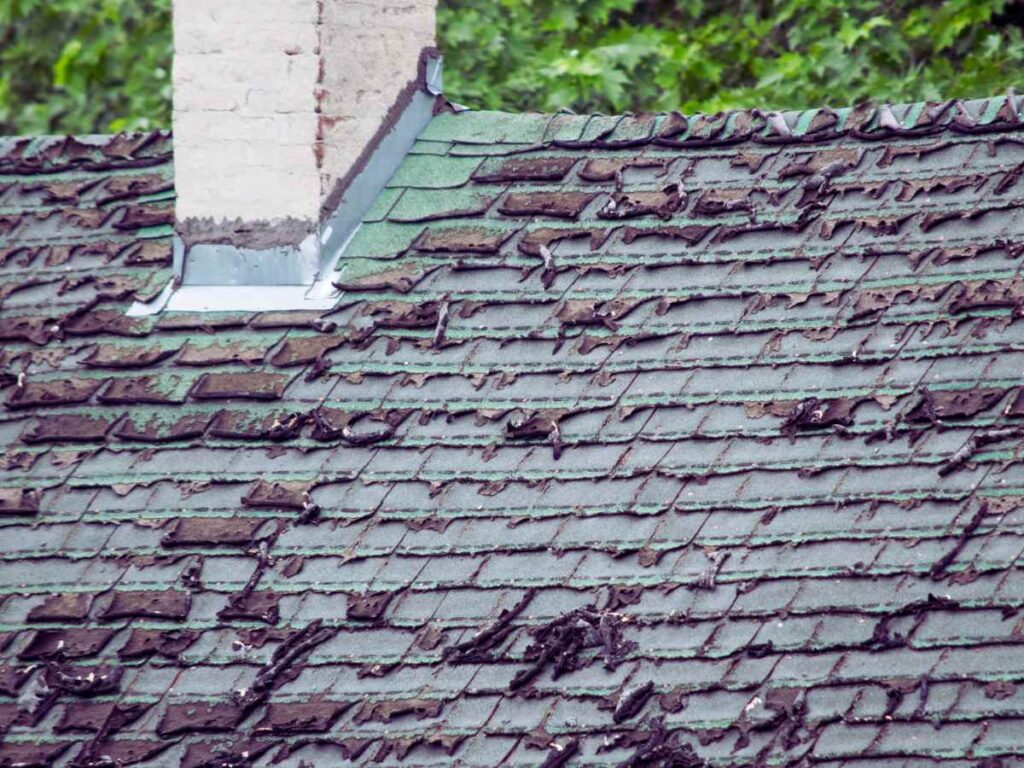
After a hailstorm, many homeowners look at their roof and try to answer a simple question: what does hail damage actually look like? The answer is not always obvious because hail does not affect a roof the way aging does. Weathering occurs gradually and across large areas, while hailstones strike individual points on the surface. The result is localized impact damage rather than uniform wear.
When a hailstone strikes roofing material, the force of the impact transfers energy into a small area of the roof surface. Depending on the material, that energy may remove protective granules, compress the internal structure of a shingle, dent metal components, or fracture brittle materials such as tile. Those surface changes matter because roofing materials rely on protective layers to resist ultraviolet exposure, moisture, and temperature cycles over time.
Across most roofing systems, hail impacts tend to produce several recognizable indicators.
• Circular impact marks: Hailstones commonly create round or slightly irregular spots where the roofing surface has been compressed or disturbed. On asphalt shingles these areas may appear darker because protective granules have been displaced.
• Granule displacement: Asphalt shingles use mineral granules to shield the asphalt layer from ultraviolet exposure. When hail removes granules in concentrated areas, the darker asphalt beneath the surface becomes visible.
• Surface dents or indentations: Softer metals such as aluminum vents, flashing, or gutters can develop shallow dents where hailstones struck the surface.
• Material fractures or cracks: Brittle materials including clay tiles, concrete tiles, or aging shingles may crack, chip, or break when struck by larger hailstones.
Another useful observation involves how impacts are distributed across the roof. Hail rarely strikes every roof slope equally. Wind during the storm often drives hail toward one exposure of the house, which can concentrate impact marks on specific slopes while leaving others relatively unaffected.
Roofing materials also respond differently to impact forces. Asphalt shingles may show bruising or granule loss, metal panels typically show dents, and tile roofing may develop chips or broken edges. Those material specific responses help explain why hail damage does not look the same on every roof.
Guidance from the National Roofing Contractors Association (NRCA) and the Insurance Institute for Business and Home Safety (IBHS) notes that storm related hail damage is usually identified through consistent impact patterns rather than isolated surface marks. A single dent or missing granule may occur for many reasons, but repeated impact indicators across exposed roof areas often suggest hail activity occurred during a storm.
These visual patterns provide a starting point for evaluating whether a roof may have experienced hail impacts. Inspectors compare roof surface indicators with other storm evidence around the property before forming conclusions about storm related damage.
Direct Signs of Hail Damage on Roof Surfaces
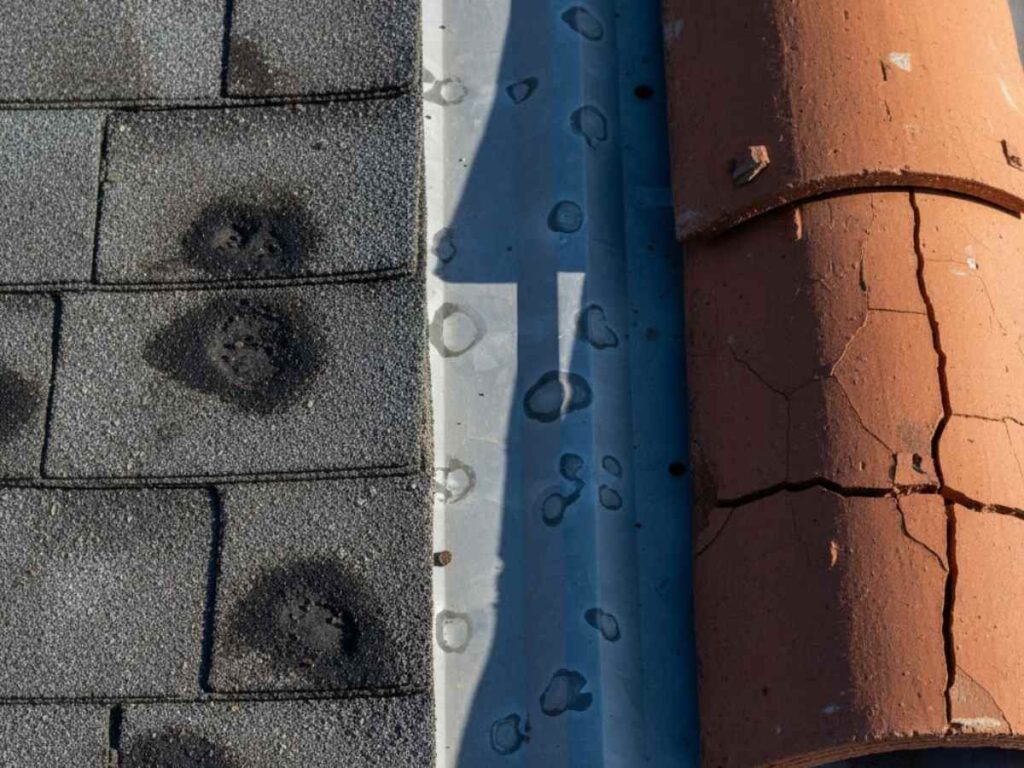
When evaluating a roof after a hailstorm, the most reliable indicators usually appear directly on the roof covering itself. These are the areas where hailstones make contact with roofing materials. Because hail strikes individual points on the surface rather than affecting the entire roof evenly, the resulting damage typically appears as isolated impact marks instead of widespread surface wear.
When a hailstone strikes a roof, the impact transfers force into a small area of the material. That force can disturb the outer protective layer of the roof covering. Depending on the roofing system, the impact may remove granules from asphalt shingles, dent softer metal surfaces, or fracture brittle materials such as clay or concrete tiles. These surface disturbances are often the first visible indicators that hail impacts occurred.
Several direct signs commonly appear on roof surfaces after hail activity.
• Circular impact marks on roofing materials: Hailstones frequently leave round or slightly irregular marks where the surface was struck. On asphalt shingles these areas may appear darker because the protective mineral granules covering the surface have been displaced.
• Displacement of protective granules or coatings: Asphalt shingles use mineral granules to shield the asphalt layer beneath from ultraviolet radiation and weather exposure. When hail knocks granules loose in concentrated spots, the darker asphalt beneath becomes visible and may be more exposed to long term weathering. On metal roofing systems, protective paint or coating layers may also show small impact disturbances.
• Compression or fracture of roofing surfaces: Hail impacts can compress the internal structure of some roofing materials. Asphalt shingles may develop bruised areas where the shingle mat has been compacted beneath the surface. Brittle materials such as clay tiles or concrete tiles may crack or chip when struck with sufficient force.
• Visible damage to shingles, panels, or tiles: In stronger storms, the impact force may create more obvious surface damage such as broken shingle tabs, chipped tile edges, or dents in exposed metal panels.
Inspection guidance from the National Roofing Contractors Association (NRCA) explains that hail damage is usually identified through repeated impact indicators across roof surfaces rather than a single isolated mark. Research from the Insurance Institute for Business and Home Safety (IBHS) also notes that hail typically affects the outer protective surface of roofing materials first, which is why early indicators often appear as localized surface disturbances.
These direct roof surface indicators provide an initial signal that hail may have affected the roofing material. In practice, inspectors usually compare these surface signs with other storm related evidence around the property before drawing conclusions about the condition of the roof.
Common Signs of Hail Damage on Asphalt Shingle Roofs
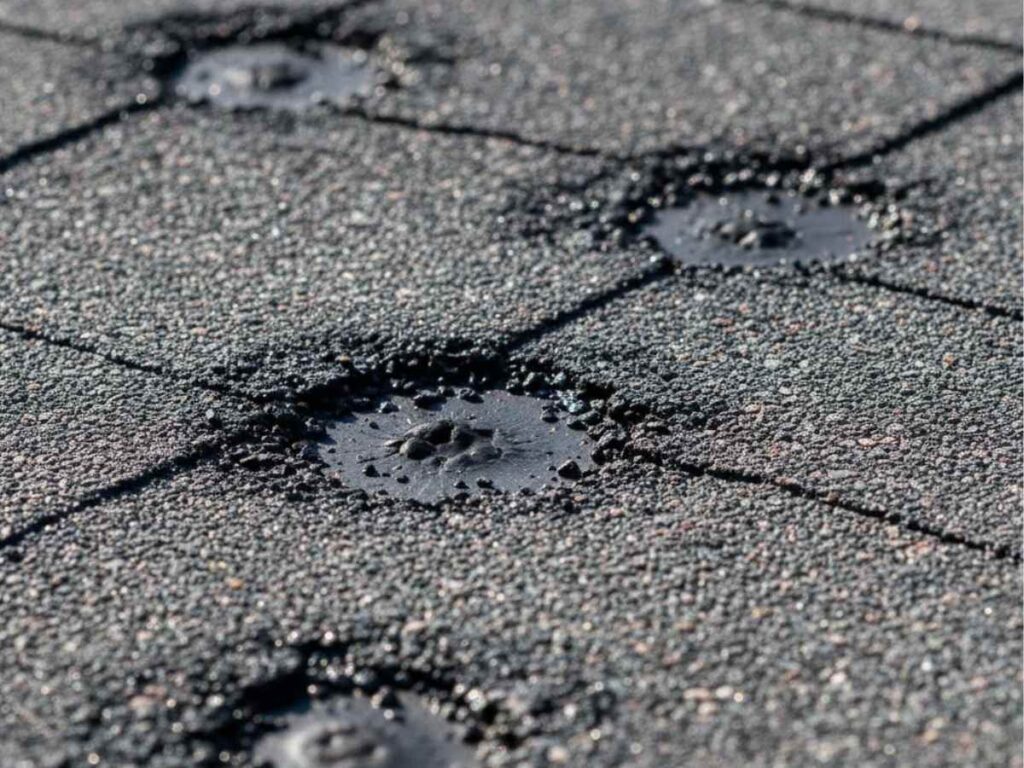
Asphalt shingles are widely used on residential roofs across the United States, including many homes throughout Metro Denver. Because this roofing system relies on layered protective components, hail impacts tend to affect specific parts of the shingle rather than the entire surface. Understanding how asphalt shingles are constructed helps explain why certain types of hail damage appear after storms.
A typical asphalt shingle contains a fiberglass or organic reinforcement mat, a waterproof asphalt layer, and a surface coating of mineral granules. The granules protect the asphalt from ultraviolet radiation, temperature fluctuations, and long term weather exposure. When hailstones strike the roof, the force of the impact can disturb these protective layers in localized areas.
Common indicators appear when asphalt shingles experience hail impacts.
• Circular dark spots where granules have been displaced: When hailstones strike a shingle, the impact can dislodge mineral granules from the surface. This may create small round or irregular areas where the darker asphalt layer beneath becomes visible. These spots often appear scattered across sections of the roof rather than forming a uniform pattern.
• Soft or bruised shingle surfaces: Hail impacts can compress the internal structure of the shingle without breaking the outer surface. Roof inspectors often describe this as impact bruising. In these areas the fiberglass mat beneath the asphalt layer becomes compacted, which may weaken the structural integrity of the shingle over time.
• Cracked or fractured shingle tabs: Larger hailstones or repeated impacts may cause visible cracks across the shingle surface or along the tab edges. These fractures occur when the shingle material absorbs more impact energy than it can flex or disperse.
• Exposed asphalt beneath missing granules: When granules are removed from a concentrated area, the asphalt layer beneath the surface becomes exposed. Over time, exposed asphalt can be more susceptible to ultraviolet radiation and weather related aging.
Manufacturer guidance from roofing companies such as GAF, Owens Corning, and CertainTeed explains that hail damage on asphalt shingles usually appears as localized granule loss, bruising, or impact marks rather than uniform deterioration across the roof. For this reason, inspections typically look for repeated impact indicators across multiple shingles instead of focusing on a single isolated surface change.
These patterns can help homeowners better understand whether asphalt shingles may have experienced hail impacts. In practice, inspectors also compare these roof surface indicators with other storm evidence around the property before forming conclusions about the condition of the roof.
Granule Loss and Exposed Asphalt
Granule loss is one of the clearest indicators of hail impact on asphalt shingles. Mineral granules form the outer surface of the shingle and serve as a protective layer that shields the asphalt beneath from ultraviolet radiation, temperature fluctuation, and long term weather exposure.
When a hailstone strikes the shingle, the impact transfers force into a small area of the surface. That force can dislodge granules and create a shallow impact crater where the protective layer has been disturbed. These spots often appear darker because the asphalt layer beneath the granules becomes visible once the surface coating has been removed.
Hail related granule loss looks different from normal aging. Over time, asphalt shingles gradually shed granules as they weather. This aging process tends to occur more evenly across broad sections of the roof. Hail driven granule loss, by contrast, usually appears as scattered impact marks concentrated in localized areas where hailstones struck the surface.
Material documentation from manufacturers such as Owens Corning and GAF explains that impact driven granule loss is typically identified through these localized patterns rather than widespread surface wear across the roof.
Circular Impact Marks or Shingle Bruising
Hail impacts do not always remove granules or produce visible cracks. In many cases the energy of the impact compresses the internal structure of the shingle while leaving the outer surface mostly intact. This condition is commonly described as shingle bruising.
Asphalt shingles contain a fiberglass reinforcement mat embedded within the asphalt layer. When a hailstone strikes the surface, the impact can compress this reinforcement layer and create a small indentation beneath the shingle surface. Because the surface coating may remain largely intact, these bruised areas can be difficult to identify without closer inspection.
Bruised shingles may appear as slightly darker spots or subtle indentations, and the affected area may feel softer when light pressure is applied. These impacts may occur without visible cracks, which is why hail damage on asphalt shingles is not always obvious from a distance.
Compression of the shingle mat can also weaken the internal reinforcement structure of the shingle. Over time, this may reduce how effectively the material flexes and sheds water during weather exposure.
Roof inspection guidance referenced by organizations such as the National Roofing Contractors Association (NRCA) notes that identifying bruising typically involves looking for repeated impact patterns across the roof surface rather than relying on a single isolated mark.
Signs of Hail Damage on Metal Roofs
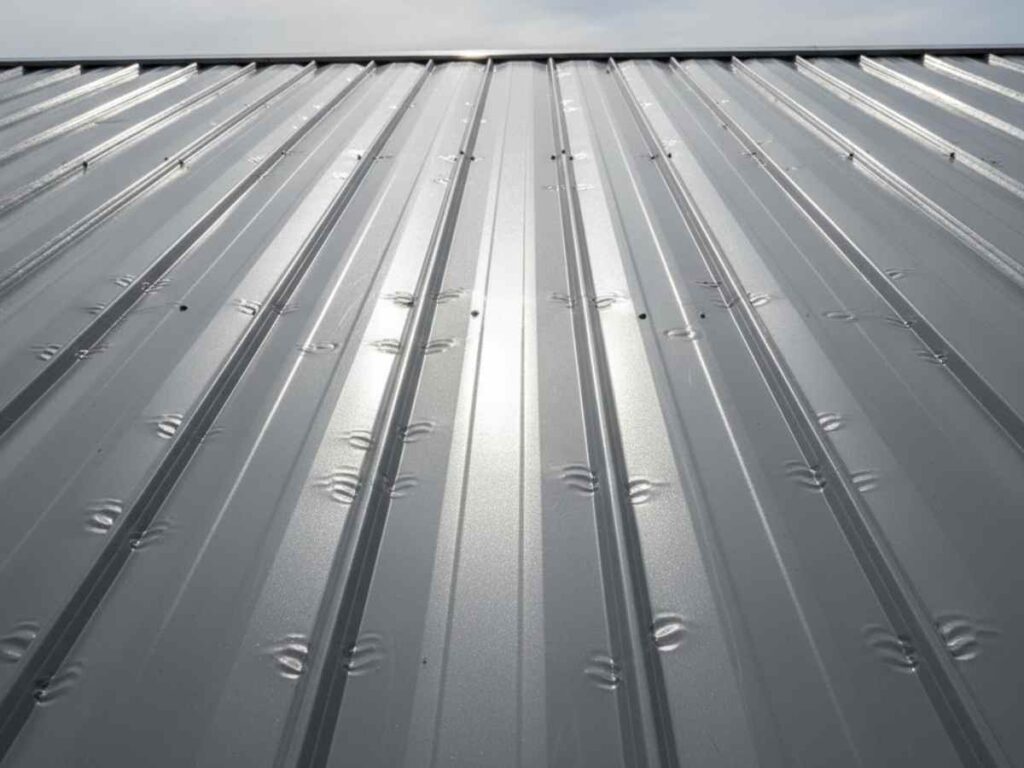
Metal roofing systems respond to hail impacts differently than materials such as asphalt shingles or tile. Instead of losing surface granules or fracturing brittle components, metal panels usually show surface deformation where hailstones strike the roof. Understanding how metal roofing materials absorb impact helps explain why dents are often the most visible indicator of hail activity.
Most residential metal roofs are built from steel or aluminum panels protected by factory applied paint systems or specialized coatings. These coatings serve as a barrier that protects the metal surface from moisture, oxidation, and long term environmental exposure. When hailstones strike the roof, the force of the impact is absorbed by the metal panel. Because metal can flex slightly under stress, the impact often creates a shallow dent rather than a crack or break in the panel.
Metal roofing systems may show several indicators after hail activity.
• Visible dents across metal roof panels: Hailstones frequently create small depressions in metal roofing panels where the surface was struck. The size and depth of these dents often depend on the diameter of the hailstones and the thickness of the metal panel.
• Chipped paint or coating fractures: In some cases, hail impacts may damage the protective finish on the metal surface. The force of the impact can chip paint, crack the coating, or disturb the protective layer that shields the metal from weather exposure. When protective coatings are compromised, the underlying metal surface may become more exposed to moisture and environmental conditions over time.
• Concentrated dent patterns on exposed roof slopes: Hail damage on metal roofs often appears in clusters across roof sections that faced the direction of the storm. Wind during the storm can drive hail toward certain slopes, creating noticeable patterns of dents across those exposed areas.
Guidance published by metal roofing manufacturers and organizations such as the Metal Construction Association (MCA) explains that hail impacts on metal roofs most commonly appear as surface dents rather than structural failures. Because metal roofing panels are designed to flex under impact, the underlying roofing system often continues performing its water shedding function even when dents are visible.
These patterns can help homeowners understand whether dents on a metal roof may be related to hail impacts. In practice, inspectors usually evaluate dent patterns across multiple panels and compare those observations with other storm evidence around the property before forming conclusions about the roof’s condition.
Signs of Hail Damage on Tile Roofs
Tile roofing systems respond to hail impacts differently than asphalt shingles or metal panels because tile materials are rigid and brittle. Instead of deforming under impact, clay or concrete roof tiles are more likely to develop cracks, chips, or fractures when struck by hailstones. Understanding how tile materials react to sudden impact helps explain why hail damage on tile roofs often appears as broken or fractured sections rather than surface dents.
Most tile roofs are constructed from clay tiles or concrete tiles, both of which provide durability and long service life under normal weather conditions. However, these materials have limited flexibility. When a hailstone strikes the tile surface with sufficient force, the energy of the impact can create fractures within the tile structure or break small portions of the tile surface.
Several indicators may appear on tile roofing systems after hail activity.
• Cracked or chipped roof tiles: Hail impacts can produce visible cracks across the surface of clay or concrete tiles. In some cases, small chips may break away from the tile surface where the hailstone made contact.
• Fractures along tile edges: Tile edges and corners are often more vulnerable to impact stress. Hailstones striking these areas may create fractures that extend from the edge toward the center of the tile.
• Broken tile fragments following impacts: In stronger storms, hailstones can break pieces of tile loose from the roof surface. These fragments may sometimes be found on the roof itself or collected in gutters below the roofline.
Documentation published by tile roofing manufacturers and organizations such as the Tile Roofing Industry Alliance (TRIA) explains that hail damage on tile roofs typically appears as physical fractures or chipped surfaces rather than gradual surface wear. Because tile roofs rely on overlapping units to shed water, fractures can allow moisture to reach the underlayment beneath the tiles, which may affect how effectively the roofing system directs water away from the structure.
These indicators can help homeowners understand whether visible damage on a tile roof may be related to hail impacts. In practice, inspectors often evaluate the distribution of cracked tiles across the roof and compare those observations with other storm evidence around the property before forming conclusions about the roof’s condition.
Signs of Hail Damage on Wood Shake Roofs
Wood shake roofing systems respond to hail impacts differently than materials such as asphalt shingles, metal panels, or tile. Because wood shakes are made from natural wood fibers, the roofing material can split, dent, or expose internal fibers when struck by hailstones. Understanding how wood reacts to concentrated impact helps explain why hail damage on shake roofs often appears as fractures or crushed areas rather than dents or granule loss.
Wood shakes are commonly manufactured from cedar or similar durable wood species. These shakes provide natural weather resistance, but the wood fibers within each shake can fracture when subjected to sudden impact. When hailstones strike the roof surface, the energy of the impact travels through the wood grain. Depending on the strength of the impact and the condition of the shake, the wood may compress, split, or break along the grain structure.
Several indicators may appear on wood shake roofing systems after hail activity.
• Split or fractured shakes: Hail impacts can create visible splits that run along the grain of the wood. These fractures occur when the force of the impact exceeds the ability of the wood fibers to absorb the energy. Splits in wood shakes can also allow moisture to reach the underlying felt or underlayment layers, which may influence how effectively the roofing system sheds water over time.
• Impact dents in wood surfaces: In some cases the hailstone compresses the wood surface rather than splitting it. This can leave shallow dents or depressions where the impact occurred.
• Exposed wood fibers after impacts: Strong hail impacts may tear or crush the outer surface of the shake, exposing rough wood fibers beneath the weathered surface. These areas may appear lighter in color where fresh wood has been revealed.
Material documentation from organizations such as the Cedar Shake and Shingle Bureau (CSSB) explains that hail damage on wood shake roofs commonly appears as splits, crushed fibers, or impact indentations caused by concentrated force. Because wood shake roofs rely on overlapping layers to direct water away from the structure, damage to individual shakes can influence how the roofing system performs during long term weather exposure.
These patterns can help homeowners understand whether visible damage on a wood shake roof may be related to hail impacts.. In practice, inspectors typically evaluate multiple shakes across different roof slopes and compare those observations with other storm evidence around the property before forming conclusions about the roof’s condition.
Signs of Hail Damage on Composite Roofs
Composite roofing materials are engineered products designed to replicate the appearance of traditional roofing materials such as slate, wood shake, or tile while using molded synthetic components. Because these roofing units are manufactured from blended materials rather than natural stone or wood, they often respond to hail impacts in different ways. Understanding how composite materials absorb and distribute impact helps explain the types of damage that may appear after hailstorms.
Synthetic composite roofing products are typically made from blended polymers, recycled plastics, rubber compounds, or resin based materials that are molded into individual shingles or tiles. Many of these products are designed to provide flexibility and improved impact resistance. However, when hailstones strike the roof with sufficient force, the impact energy can still produce localized damage depending on the material formulation, thickness, and structural design of the roofing unit.
Several indicators may appear on composite roofing systems after hail activity.
• Cracks or fractures in composite roofing units: Hail impacts can create visible cracks across synthetic shingles or tiles when the material absorbs more impact energy than it can disperse. These fractures may appear along the surface of the roofing unit or near stress points in the molded structure.
• Impact dents exposing underlying layers: Some composite roofing products contain layered material structures. Strong hail impacts may compress the outer surface and reveal inner layers where the protective surface has been damaged. When internal layers are exposed, the roofing unit may become more vulnerable to moisture and long term weather exposure.
• Surface damage along impact points: Hailstones may also create small surface fractures, scuffing, or localized marks where the roofing material absorbed the force of the impact.
Documentation published by composite roofing manufacturers and organizations such as the Synthetic Roofing Council explains that hail damage on composite roofing products can appear as cracks, fractures, or surface deformation depending on the material composition and impact resistance rating of the product.
Many composite roofing systems are tested using standardized impact resistance evaluations such as UL 2218 impact resistance classifications, which measure how roofing materials perform when struck by simulated hailstones. Even with impact resistant ratings, localized damage may still occur under certain storm conditions.
These indicators can help homeowners determine whether surface damage on composite roofing materials may be related to hail impacts. In practice, inspectors usually evaluate multiple roofing units across different roof slopes and compare those observations with other storm evidence around the property before forming conclusions about the roof’s condition.
Supporting Signs of Hail Damage on Gutters, Vents, Skylights, and Flashing
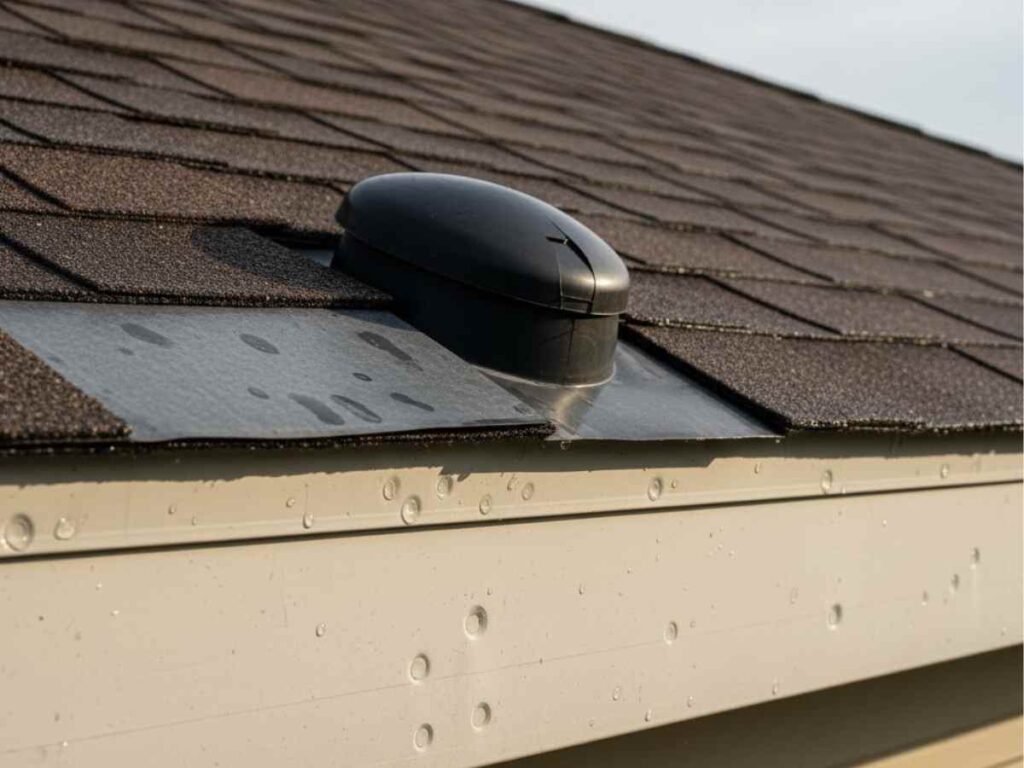
Roof surfaces are not the only areas that show signs of hail activity. During a hailstorm, hailstones strike many exposed parts of a home at the same time. Components such as gutters, roof vents, skylights, and metal flashing are often easier to see from the ground, which means they can provide supporting evidence that hail impacted the roof area.
These secondary indicators do not confirm roof damage on their own, but they can help establish whether hail activity occurred around the property. When inspectors evaluate a roof after a storm, they often examine these surrounding components because hail typically leaves marks on multiple exposed surfaces.
Several types of impact evidence may appear on exterior roof components after hailstorms.
• Dented gutters or downspouts: Gutters and downspouts are commonly made from aluminum, which is relatively soft compared to roofing materials. Hailstones can create small dents or dimples along the gutter edge or downspout surface where the impacts occurred.
• Cracked plastic roof vents: Some roof ventilation systems include plastic vent covers or vent caps. Hail impacts may crack or break these plastic components because they are more brittle than metal roofing materials.
• Impact damage to skylight glazing: Skylights often contain glass or acrylic glazing panels. Hailstones may create cracks, chips, or impact marks on these surfaces depending on the strength of the impact and the type of glazing installed.
• Dents in soft metal flashing: Roof flashing is typically made from thin metal such as aluminum, galvanized steel, or copper. Hail impacts can leave small dents or indentations in these metal surfaces, particularly around roof penetrations or valleys where flashing is exposed.
Inspection guidance published by organizations such as the National Roofing Contractors Association (NRCA) explains that inspectors often look for these types of collateral impact indicators when evaluating storm activity. Because hail usually strikes multiple exposed surfaces during a storm, damage to gutters, vents, skylights, or flashing can provide additional context when assessing whether hail may have affected the roofing system.
These supporting indicators can help homeowners understand whether a storm may have produced hail impacts around the property. in practice, inspectors consider these observations together with roof surface conditions before forming conclusions about the overall condition of the roof.
Signs That Can Be Mistaken for Hail Damage
Not every mark on a roof is caused by hail. Over time, roofing materials naturally change as they are exposed to sunlight, temperature fluctuations, wind, and routine maintenance activity. Some of these changes can resemble hail impact marks at first glance, which is why roof inspections often focus on distinguishing storm related damage from normal wear or unrelated surface conditions.
These differences help prevent misinterpreting routine roof aging or handling marks as evidence of hail activity. Several conditions can create surface marks that may look similar to hail damage but form through entirely different processes.
• Gradual granule loss from aging shingles: Asphalt shingles slowly lose mineral granules as they age. This process typically occurs across large sections of the roof rather than in isolated circular impact spots. Aging related granule loss often appears more uniform and does not show the concentrated patterns usually associated with hail impacts.
• Foot traffic scuffs or abrasion: Maintenance work on a roof, such as gutter cleaning or equipment servicing, can create scuffed areas where the surface of the shingle has been disturbed. These marks tend to follow walking paths and typically lack the round impact pattern created by hailstones.
• Manufacturing or material defects: In some cases small surface irregularities may be related to manufacturing variations in roofing materials. These marks can appear as blisters, small raised areas, or surface imperfections that may resemble minor impact marks.
• Handling or installation damage: Roofing materials can occasionally develop dents, creases, or scuffs during shipping, storage, or installation. These marks are unrelated to storms but may appear similar to hail impacts if viewed without additional context.
Inspection guidance from organizations such as the National Roofing Contractors Association (NRCA) explains that evaluating hail damage typically involves examining the pattern and distribution of marks across the roof surface. Conditions related to aging, manufacturing, or foot traffic often appear in different patterns than the localized impact indicators associated with hail.
Recognizing these differences can help homeowners better understand why roof inspections look for consistent impact patterns rather than relying on a single mark or isolated surface change. In practice, inspectors compare suspected hail indicators with surrounding roof conditions before forming conclusions about whether storm damage is present.
Cosmetic vs Functional Roof Hail Damage
Hailstorms can leave visible marks on a roof, but not every impact changes how the roofing system performs. Some hail impacts affect only the surface appearance of roofing materials, while others disturb the layers that allow the roof to direct water away from the structure. Understanding the difference between cosmetic hail damage and functional roof damage helps explain why some marks remain primarily visual while others influence roof performance over time.
Cosmetic hail damage refers to surface changes that alter the appearance of roofing materials without immediately affecting the roof’s water shedding capability. Examples may include shallow dents in metal panels or minor scuffing on roofing surfaces where the protective layers remain intact. These impacts may be visible but do not necessarily disrupt the roofing system’s protective function.
Functional roof damage occurs when hail impacts affect the components that protect the roof structure from moisture. When protective surfaces are broken, cracked, or removed, the roofing system may become more exposed to weather conditions.
Several conditions commonly indicate functional damage rather than cosmetic surface marks.
• Exposed roofing materials beneath damaged surfaces: When hail removes protective granules from asphalt shingles or breaks the outer surface of roofing materials, the underlying layers may become exposed to sunlight, moisture, and environmental wear.
• Cracked or fractured roofing materials: Cracks in asphalt shingles, fractured tiles, or damaged roofing units can affect how the roofing system sheds water and directs moisture away from the structure.
• Damage to protective coatings or membranes: Roofing systems often rely on protective coatings, membranes, or surface layers to resist weather exposure. If hail impacts damage these protective barriers, the performance of the roofing system may be affected.
Guidance published by roofing industry organizations such as the National Roofing Contractors Association (NRCA) explains that evaluating hail damage typically involves determining whether impacts have affected the roof’s ability to shed water effectively. Some hail impacts create visible marks without disturbing protective layers, while others affect the materials that maintain the roof’s weather resistance.
The difference between cosmetic and functional hail damage helps explain why some visible marks may not immediately influence roof performance while other forms of damage require closer evaluation. During roof inspections, professionals typically examine roofing materials, impact patterns, and surrounding storm indicators before forming conclusions about the condition of the roof.
How Storm Conditions and Timing Affect How Hail Damage Appears
Hail damage does not look the same after every storm. The way hail impacts appear on a roof often depends on the conditions of the storm itself and the condition of the roofing materials at the time the storm occurred. Factors such as hailstone size, wind direction, roof age, and how long it has been since the storm can all influence how visible damage appears during an inspection.
One of the most important factors is hailstone size. Larger hailstones carry more impact energy when they strike a roof surface. As hail diameter increases, the force transferred to roofing materials also increases, which can produce deeper dents, fractures, or displaced surface materials depending on the roofing system.
Wind during a storm can also influence where hail damage appears. Wind driven hail often strikes one side of a structure more directly than another. As a result, inspectors frequently find that damage is concentrated on specific roof slopes that faced the direction of the storm. Other slopes on the same roof may show fewer impact marks if they were partially shielded from the wind driven hail.
The condition of the roof before the storm also plays a role in how hail damage develops. Older roofing materials may respond differently to hail impacts than newer materials. Over time, exposure to sunlight, temperature cycles, and weather conditions can make some roofing materials more brittle. When hail strikes an older roof, the materials may crack or fracture more easily than materials that are newer or less weathered.
Inspection timing can also affect how clearly hail damage can be recognized. Immediately after a storm, impact marks may be easier to identify because surrounding surfaces have not yet changed. As time passes, normal weathering, debris accumulation, or additional wear can make some indicators less obvious or more difficult to interpret.
Research from organizations such as the National Oceanic and Atmospheric Administration (NOAA) and building resilience studies conducted by the Insurance Institute for Business and Home Safety (IBHS) note that hail impact severity depends on factors including hailstone diameter, storm wind patterns, and the condition of building materials at the time of the storm.
These factors help explain why hail damage may appear differently from one roof to another. Even within the same storm event. During inspections, professionals often consider storm conditions, roof material condition, and the distribution of impact patterns across the roof when evaluating potential hail damage.
How to Check Your Roof for Hail Damage Safely
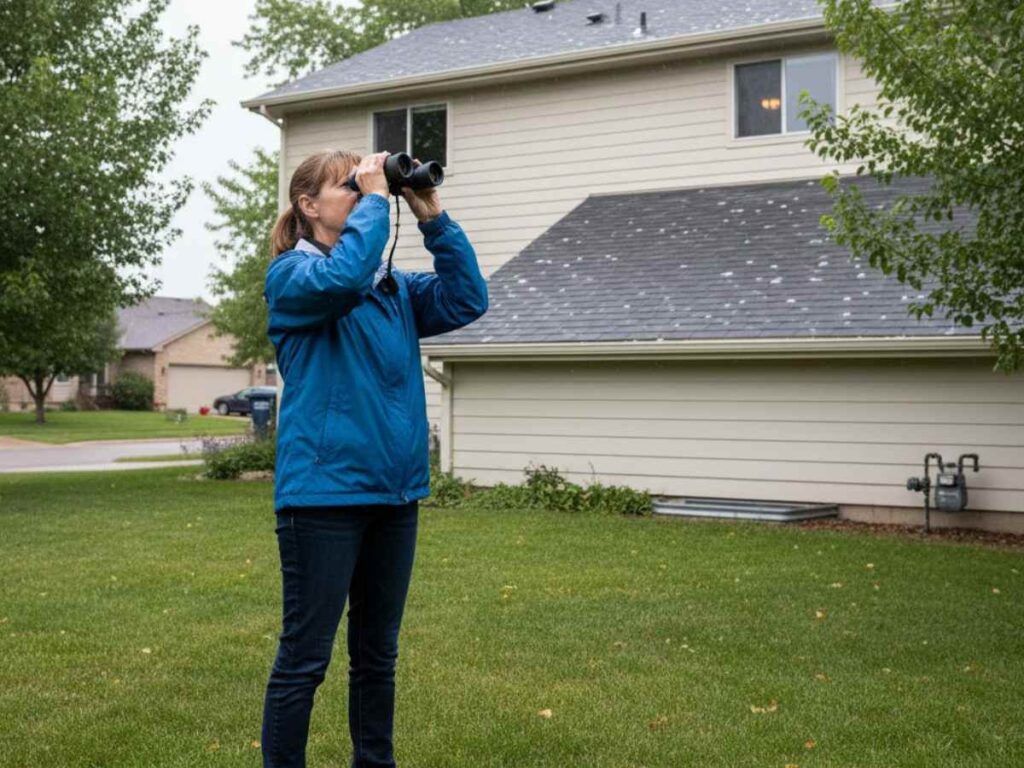
After a hailstorm, it is common for homeowners to want to understand whether their roof may have been affected. While it can be helpful to observe the roof and surrounding property, safety should always come first. Roof surfaces can be steep, unstable, or slippery after storms, which makes climbing onto the roof risky without proper equipment or training. For this reason, initial observations are usually safest when made from the ground.
Homeowners often begin by looking at the same exterior components discussed earlier in this guide, such as gutters, vents, skylights, and roof edges, because these areas frequently show early signs of hail activity. Observing these areas from different positions around the property can help identify whether storm impacts may have occurred.
A simple observation process can help identify potential storm indicators without putting yourself at unnecessary risk. In many cases, a roof inspection checklist can help organize these observations so important storm indicators are not overlooked.
• Begin inspection from the ground: Walk around the property and view the roof from several angles. Looking toward each roof slope may reveal displaced materials, surface marks, or debris that developed during the storm.
• Look for collateral storm damage around the property: Hail impacts often leave marks on multiple exposed surfaces at the same time. Dents in gutters, cracked plastic vents, damaged siding, or impact marks on outdoor equipment can provide context about storm activity.
• Document visible conditions with photographs: If you notice unusual marks or damage, photographs taken from several angles can help record what you observed. These images can be helpful if the roof condition is reviewed later or compared with future observations.
Safety guidance published by organizations such as the U.S. Consumer Product Safety Commission (CPSC) and the Occupational Safety and Health Administration (OSHA) notes that ladder use and elevated surfaces present fall risks, especially after storms when moisture or debris may be present. Observing the roof from the ground is often the safest first step when evaluating potential storm damage.
Signs of Hail Damage Visible From the Ground
Many early indicators of hail activity can be observed without climbing onto the roof. Exterior components and surrounding surfaces sometimes reveal storm impacts that occurred across the property.
• Dented gutters or downspouts: Aluminum gutters may show small dents or dimples where hailstones struck the metal surface.
• Damaged siding or exterior surfaces: Hail may leave marks on siding panels, painted trim, or outdoor fixtures exposed to the storm.
• Window screen impacts: Small tears or dents in window screens can occur when hailstones strike the mesh during a storm.
These types of collateral indicators do not confirm roof damage on their own, but they can suggest that hail activity occurred during the storm. In some situations, binoculars can provide a clearer view of roof surfaces while allowing the observer to remain safely on the ground.
Indicators Observed During Close Roof Inspection
When roofs are evaluated more closely, inspectors typically examine multiple areas of the roof to identify consistent patterns of impact. Observations are rarely based on a single mark or isolated surface change.
• Inspect multiple roof slopes: Different roof slopes may have experienced different levels of exposure depending on the direction of the storm. Evaluating several slopes helps determine whether impacts appear consistently across exposed surfaces.
• Evaluate the density of impact marks: Inspectors often observe how many impact indicators appear within a defined section of the roof surface. Concentrated impact patterns may suggest stronger hail activity.
• Compare damage across roof exposures: By examining areas that face different directions, inspectors can observe whether storm patterns affected certain roof slopes more heavily than others.
Roof inspection guidance published by organizations such as the National Roofing Contractors Association (NRCA) describes these types of observational methods as part of evaluating storm related roof conditions. Consistent patterns across roof surfaces typically provide stronger indicators than isolated marks or individual dents.
When to Consider a Professional Roof Inspection After Hail
After a hailstorm, some signs of impact can be easy to notice while others are harder to interpret without closer examination. Homeowners may see dents in gutters, marks on shingles, or other storm indicators but still feel uncertain about what those signs actually mean for the condition of the roof. In situations like these, a more detailed roof inspection may help clarify whether the observed marks are consistent with hail impacts or related to other conditions such as normal aging or surface wear.
Professional roof inspections typically involve a structured evaluation of roofing materials, impact patterns, and surrounding storm indicators. Inspectors review several areas of the roof and compare conditions across different slopes to determine whether visible marks form a consistent pattern that aligns with storm related impacts.
Certain situations often prompt homeowners to consider a closer roof evaluation.
• Visible impact marks across multiple roof slopes: When dents, circular marks, or disturbed roofing materials appear across more than one slope, the pattern may indicate that hail affected the roof during the storm.
• Collateral storm damage around the property: Indicators such as dented gutters, cracked vents, damaged siding, or torn window screens may suggest that hail impacted several exposed surfaces around the home.
• Recent hailstorm reports in the area: Local weather reports sometimes document hail activity within specific neighborhoods or regions. When hail has been reported nearby, it can be helpful to review roof conditions more carefully.
• Uncertainty distinguishing hail damage from normal wear: Some roof marks can resemble hail impacts even when they are caused by aging materials, foot traffic, or installation handling.
These situations often relate to the same indicators discussed earlier in this guide, including roof surface impacts, dents in gutters, and other signs of hail activity around the property. Inspection guidance published by organizations such as the National Roofing Contractors Association (NRCA) explains that professional roof evaluations usually involve reviewing multiple roof areas, examining impact patterns, and considering surrounding storm evidence together.
Knowing when a professional roof inspection may be appropriate helps homeowners approach storm related roof concerns with clearer expectations. A structured evaluation can help determine whether visible marks align with hail impact patterns and provide a documented assessment of the roof’s condition following a storm.
Common Questions About Roof Hail Damage
After a hailstorm, homeowners often have practical questions about what they are seeing on their roof and whether those signs indicate meaningful damage. The following questions address common concerns about how hail affects roofing materials, how damage appears, and how to interpret storm indicators around a property.
What Does Hail Damage on Asphalt Shingles Look Like?
Hail damage on asphalt shingles usually appears as circular impact marks, displaced granules, or soft bruised areas on the shingle surface. These impacts occur when hailstones strike the roof with enough force to dislodge the protective granule layer or compress the shingle mat beneath the surface.
Granule loss may appear as darker spots where the asphalt layer becomes visible. In some cases the impacted area may also feel slightly soft because the underlying mat has been compressed by the force of the hailstone.
How Can You Tell if a Roof Has Hail Damage?
Roof hail damage is typically identified by consistent impact patterns across exposed roof slopes rather than a single isolated mark. Inspectors often look for circular impact marks, displaced granules, dents in metal components, or fractured roofing materials that appear across multiple areas of the roof.
Collateral indicators such as dented gutters, cracked vents, or damaged window screens can also help confirm that hail activity occurred during the storm.
Does Small Hail Damage a Roof?
Small hail can sometimes create minor surface marks, but damage severity usually depends on several factors including hail size, wind speed, roof slope exposure, and roofing material type. Larger hailstones generally transfer more impact energy when they strike the roof surface.
Smaller hail may leave little visible damage on newer or impact resistant roofing systems, while older or more brittle roofing materials may show surface marks even from smaller hailstones.
What Size Hail Can Damage Asphalt Shingles?
Hailstones around one inch in diameter or larger are more likely to damage asphalt shingles, although the outcome depends on several conditions such as wind speed, impact angle, and the age or condition of the shingles.
When hailstones increase in diameter, their impact energy also increases. This can make it more likely for granules to be displaced or for the shingle surface to develop bruising or fractures.
Can Hail Dent a Metal Roof?
Yes, hail can dent metal roofing panels, especially when hailstones are larger or driven by strong wind. Metal roofs are durable and often continue shedding water normally after minor dents, but visible indentations can occur when hail impacts the surface.
The extent of denting often depends on the thickness of the metal panel, the type of metal used, and the intensity of the storm.
Does Hail Damage Always Cause Roof Leaks?
No, hail damage does not always cause immediate roof leaks. Some hail impacts create cosmetic marks that change the appearance of roofing materials without disturbing the protective layers that shed water.
Leaks are more likely when hail impacts crack shingles, fracture tiles, or damage the materials that protect the roof from water penetration.
Are Dents in Gutters a Sign of Roof Hail Damage?
Dents in gutters can indicate that hail struck the property, but they do not confirm roof damage by themselves. Gutters are commonly made from aluminum, which dents easily when struck by hailstones.
Inspectors usually treat gutter dents as supporting storm evidence while evaluating the roof surface for consistent impact patterns.
How Soon Should a Roof Be Checked After a Hailstorm?
Roof observations can be made soon after a storm once conditions are safe. Early observation can make some impact indicators easier to recognize before debris accumulation, weather exposure, or routine wear affects the roof surface.
Initial observations are often done from the ground, while closer evaluations may involve a professional roof inspection when necessary.
Can Hail Shorten the Lifespan of a Roof?
Yes, hail impacts can shorten roof lifespan when they damage protective roofing layers. Granule loss, cracked shingles, or fractured roofing materials may expose underlying layers to sunlight and moisture, which can gradually accelerate material deterioration.
However, minor surface marks that do not disturb the protective layers of the roofing system may have little effect on long term roof performance.
Understanding What Hail Damage Means for Your Roof
Hailstorms can leave a range of marks on roofing materials, but those marks do not always mean the roof has lost its ability to protect the structure. Throughout this guide, the focus has been on helping homeowners understand what hail damage looks like, how different roofing materials respond to impacts, and how storm conditions influence visible signs on the roof.
Hail damage is usually recognized through a few recurring patterns.
• Localized impact indicators: Hail usually creates concentrated marks such as circular impact spots, dents, fractures, or displaced granules rather than uniform wear across the roof surface.
• Material specific responses: Asphalt shingles, metal panels, tile roofing, wood shakes, and composite roofing materials may all respond differently to the same storm because of their structure and durability.
• Supporting storm evidence: Dents in gutters, damaged vents, skylight impacts, or window screen marks can provide additional clues that hail affected the property during the storm.
• Pattern based evaluation: Roof inspections generally rely on consistent impact patterns across exposed slopes rather than isolated marks that may result from aging or routine wear.
Understanding these indicators helps homeowners approach roof observations more confidently after severe weather. Some hail impacts may only affect the appearance of roofing materials, while others may disturb the protective layers that allow the roof to shed water effectively.
Because storm conditions, roofing materials, and roof age all influence how damage appears, careful evaluation is often necessary before drawing conclusions about the condition of the roof. Observing the roof from the ground, noting storm indicators around the property, and documenting visible conditions can provide useful information following a hailstorm.
When questions remain about whether roof impacts are consistent with hail activity, a structured roof inspection can help clarify how the roofing system responded to the storm and document the roof’s current condition.

Recent Comments