
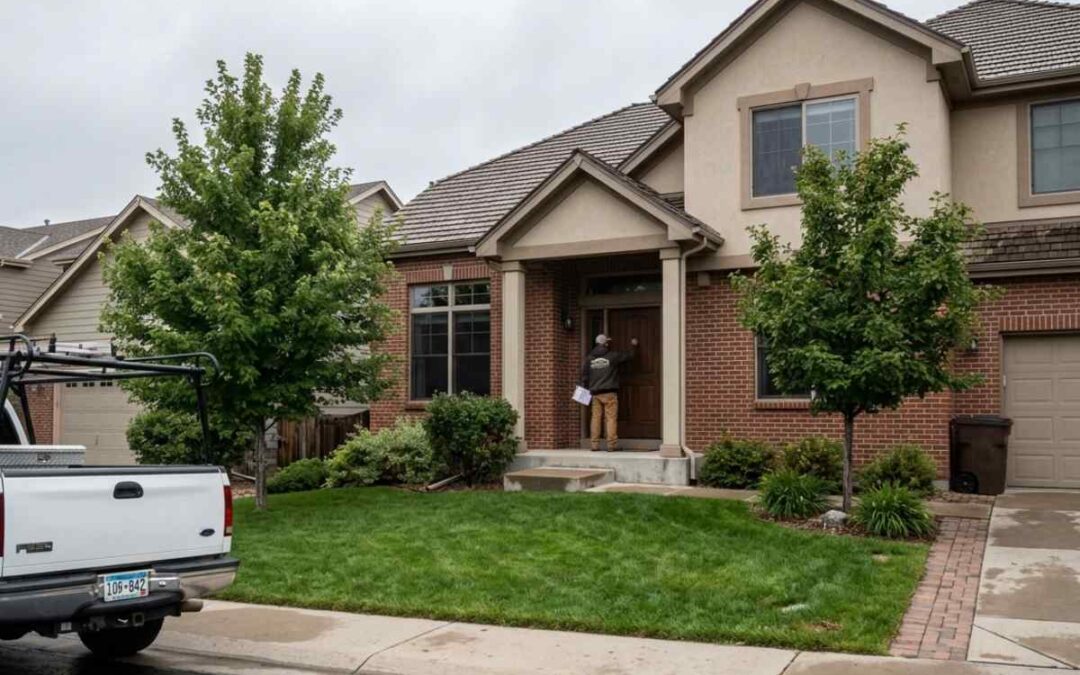
Storm chaser roofing contractors are transient companies that follow severe weather events across the country, arriving in hail-damaged neighborhoods within days of a storm to solicit repair and replacement contracts before homeowners have had time to research their options. In Colorado, the Front Range corridor running from Colorado Springs through Castle Rock, Highlands Ranch, and into Metro Denver sits in one of the highest hail-frequency zones in the United States per Colorado Division of Insurance data, which makes it a predictable destination for out-of-state roofing crews every season from April through September.
The urgency homeowners feel after a major hail event is real. Storm chasers are built around it.
Homeowners who sign with the wrong contractor before verifying credentials typically end up with voided manufacturer warranties, unenforceable workmanship guarantees, and no recourse once the crew has moved to the next storm market. This page covers how to identify those contractors before signing anything, how to verify credentials independently using Colorado-specific tools, what state law requires of every roofing contractor operating here, and where to file a complaint if something has already gone wrong.
What Are Storm Chaser Roofing Contractors?
Storm chaser roofing contractors are transient companies that follow severe weather across the country, arriving in hail-damaged neighborhoods to sign repair contracts quickly, complete work at volume, and leave before warranty obligations come due.
Storm chasers run on a follow-the-storm model — crews relocate from state to state based on National Oceanic and Atmospheric Administration severe weather alerts and hail swath maps that identify where significant damage has occurred. A major hail event triggers deployment. Within 48 to 72 hours, crews are canvassing affected neighborhoods door-to-door, targeting properties with visible shingle damage, dented gutters, and granule accumulation at downspouts.
Speed determines revenue. A storm chaser who spends three weeks on one market when another storm has hit two states away is losing higher-volume deployment in a more active storm market, which is why contract volume takes priority over installation quality. Crews hired on-site for a single storm market rarely have familiarity with local code requirements, and that gap is where installation failures begin. The Colorado Roofing Association has published contractor selection guidance specifically because the pattern repeats every season across the Front Range.
Colorado ranks among the top three states nationally for hail insurance claims, and the Front Range corridor from Colorado Springs through Castle Rock and Highlands Ranch into Metro Denver concentrates that exposure along a single north-south band. Hail season runs from April through September, with the most severe events typically occurring between May and August when afternoon convective storms build rapidly along the I-25 corridor.
High claim density, predictable geography, and crew availability that aligns with spring storm markets in other states make Colorado one of the most consistently targeted storm chaser destinations in the country. Every season, the same properties get hail. Every season, the crews follow.
Warning Signs That a Roofer Is a Storm Chaser
The most reliable indicators of a storm chaser are unsolicited door-knocking within days of a storm, out-of-state vehicle plates or phone numbers, offers to waive the insurance deductible, demands for large upfront payments, and an inability to provide a verifiable local business address.
Unsolicited door-knocking within 48 to 72 hours of a hailstorm is the most consistent storm chaser entry point, and the timing is not coincidental. Established local contractors spend the days immediately after a major hail event returning calls from existing customers and referrals, not canvassing streets they have never worked.
A contractor who appears at the door with a clipboard and a free inspection offer before the homeowner has contacted anyone is working from a canvassing list, not a referral network. The Colorado Roofing Association identifies unsolicited post-storm solicitation as a primary warning signal in its contractor selection guidance. Referrals drive legitimate local pipelines. That pattern alone does not confirm a storm chaser, but it shifts the burden of verification onto the contractor immediately.
Offering to pay, waive, or rebate any portion of the homeowner’s insurance deductible is a violation of Colorado law, not a contractor courtesy. Roofing contractors in Colorado are prohibited from absorbing, waiving, or rebating any portion of an insurance deductible as an inducement to enter a contract a requirement established under C.R.S. § 6-22-105, enacted through SB 12-038 and effective June 6, 2012.
When a contractor makes this offer, the insurer is not obligated to treat that contractor’s damage estimate as a valid basis for the claim. The homeowner faces potential exposure for participating in an arrangement that misrepresents the actual cost of repair to the insurer. A deductible waiver offer is not a discount. It is a signal that the contractor is willing to operate outside Colorado law before the first nail is driven, which raises a direct question about how they will operate once work begins.
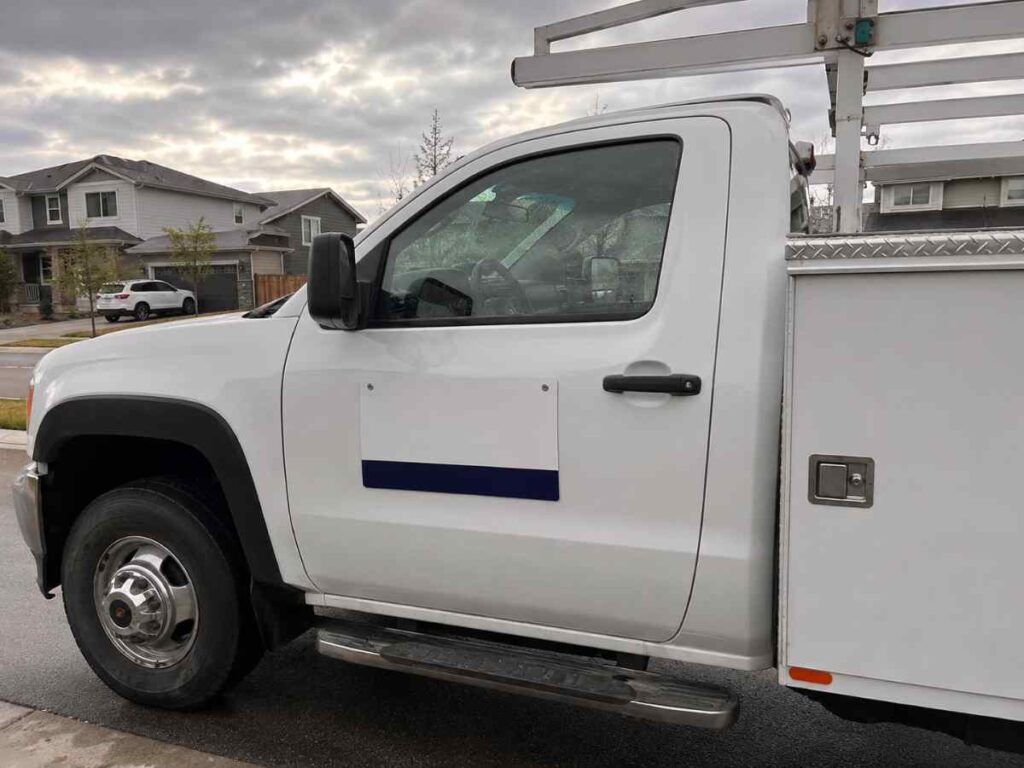
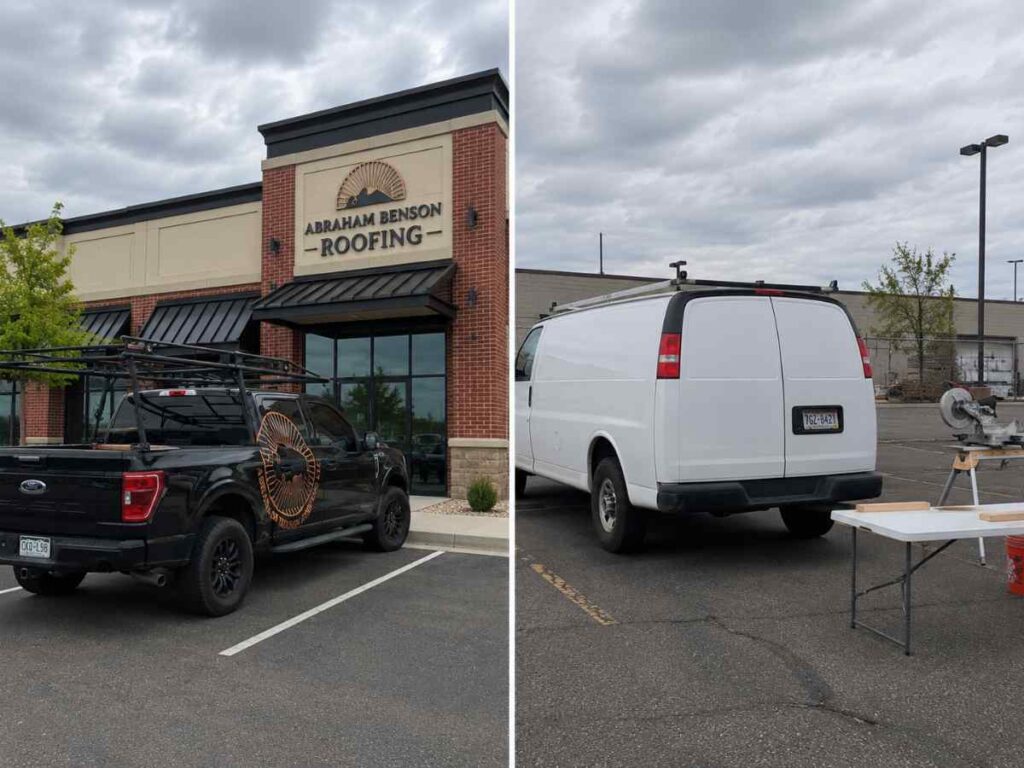
Out-of-state plates on work vehicles, a phone number with a non-Colorado area code, a P.O. box listed as a business address, and no verifiable local Google reviews are compounding indicators, not automatic disqualifiers. Any single factor may have a reasonable explanation. Two or more together indicate a contractor who does not maintain a permanent Colorado presence, and that matters specifically for warranty claims.
A workmanship warranty from a company that dissolves or relocates after the storm season is an unenforceable document. Homeowners can verify whether a contractor maintains an active Colorado business entity in under two minutes using the Colorado Secretary of State business search at sos.state.co.us, and that search should happen before any inspection is scheduled.
What Happens When You Hire a Storm Chaser?
iring a storm chaser typically results in voided manufacturer warranties, unenforceable workmanship guarantees, potential insurance fraud exposure, and no recourse when installation defects cause leaks or secondary damage months later.
The warranty a homeowner receives depends entirely on the certification status of the contractor who installed the roof, not the brand of shingles on the package. GAF, Owens Corning, CertainTeed, and Malarkey each restrict their extended warranty coverage to installations performed by contractors who hold current manufacturer certification. A storm chaser without that certification can pass through only the limited material warranty, which covers manufacturing defects in the shingles themselves. The enhanced coverage that protects against workmanship defects for 10 to 25 years requires the installer to hold active certification status at the time of installation.

Certification programs like GAF Master Elite, Owens Corning Preferred, and CertainTeed Shingle Master require a permanent local business presence, ongoing training, and quality audits that transient contractors cannot satisfy. Certification cannot be faked current status is verifiable directly on each manufacturer’s contractor locator. No certification means no enhanced warranty, regardless of which shingles go on the roof.
Storm chasers staff jobs with temporary subcontractor crews hired for a single storm market, and those crews frequently lack familiarity with Colorado-specific installation requirements. Ice and water shield placement for freeze-thaw cycling, proper starter strip installation for high-wind zones along the Front Range, and Class 4 impact-resistant shingle nailing patterns each follow specifications that vary from general residential installation practice.
Shortcuts here are not immediately visible. Defects from improper installation typically remain hidden for six to twelve months until the first heavy snow load or hard freeze cycle stresses the roof system. Failed flashing, improper deck attachment, and blown-off shingles along eaves and ridges are the visible outcomes of shortcuts that passed a casual inspection on installation day.
Colorado Laws That Protect Homeowners from Roofing Fraud
Colorado’s Residential Roofing Services Act requires every roofing contract to be in writing with specific mandatory terms, gives homeowners a 72-hour rescission right when a claim is denied, and prohibits contractors from waiving insurance deductibles.
Every roofing contractor operating in Colorado must provide a written contract before work begins, not after the crew arrives and not after materials are ordered. That contract must contain specific mandatory terms under C.R.S. § 6-22-103: the scope of services and materials, the approximate cost, the contractor’s physical address, surety and liability insurer information, a 72-hour rescission clause, and a bold-faced statement that the contractor will hold all payments in trust until materials are delivered or a majority of work is performed.
That last requirement exists specifically to prevent the pattern storm chasers rely on, collecting deposits before the homeowner understands the insurance outcome and before a nail is driven. Written contract first. No exceptions under Colorado law.
Homeowners who receive notice that their insurance claim has been denied in whole or in part have 72 hours to rescind any roofing contract they signed before that outcome was known. That right is established under C.R.S. § 6-22-104, and it is not contingent on the contractor’s agreement. The contractor must return all payments and deposits within 10 days.
Ten days. This protection exists because storm chasers historically locked homeowners into contracts before insurance decisions were issued, leaving them financially committed to out-of-pocket replacements they had not budgeted for and did not authorize under those terms. Knowing the rescission window exists before signing any contract changes the negotiating position entirely.
Colorado does not require a statewide roofing license. Registration, not licensure. Under HB 10-1394, roofing contractors must register with the Colorado Secretary of State and carry liability insurance, but that registration does not verify skill, field experience, code knowledge, or permit-pulling authority in any jurisdiction. The bar is low by design. Individual municipalities impose their own licensing requirements on top of state registration.
Denver requires a Specialty Class D license for roofing work, and Castle Rock and Douglas County maintain their own permit and contractor requirements. Homeowners should verify Secretary of State registration and local municipal licensing separately, because a contractor who clears the state registration threshold has demonstrated almost nothing about their capacity to perform code-compliant work in a specific jurisdiction.
How to Vet a Roofing Contractor After a Colorado Hailstorm
Vetting a roofing contractor after a hailstorm requires verifying five elements: Colorado Secretary of State registration, local municipal contractor license, manufacturer certification status directly on the manufacturer’s website, current workers’ compensation and general liability coverage, and local Google reviews from Colorado homeowners.
Each of these checks takes under five minutes and can be completed before a contractor sets foot on the roof. None of them require a phone call to the contractor. The information either exists in a public directory or it does not.
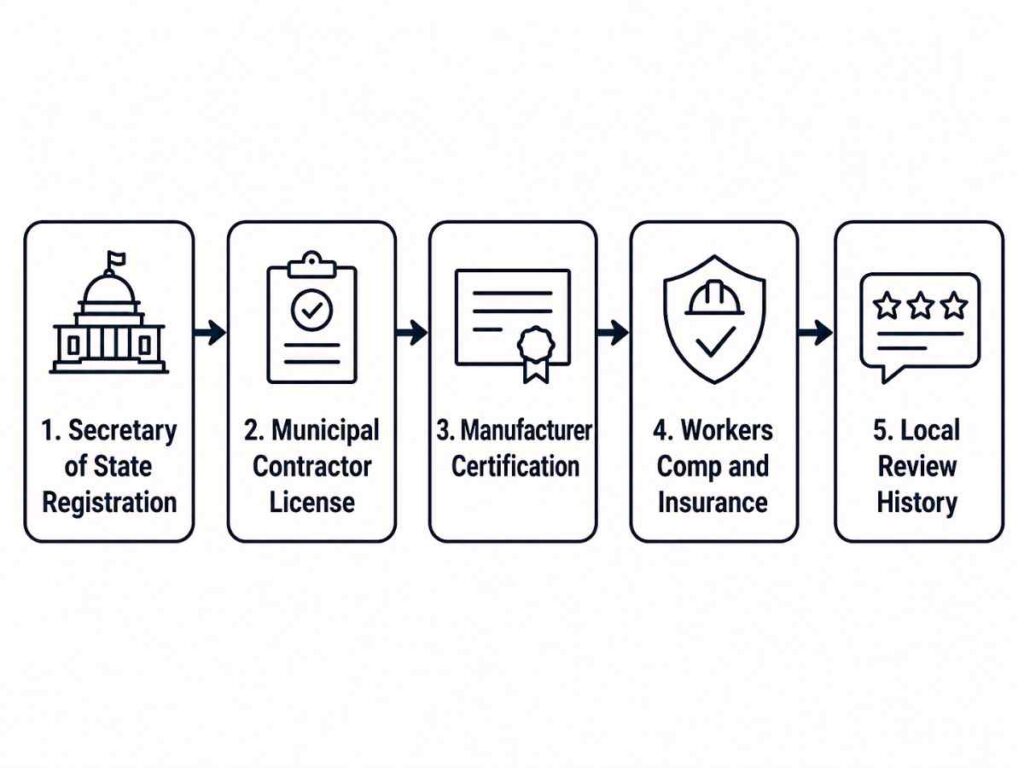
- Secretary of State registration. Search the contractor’s legal business name at sos.state.co.us. Confirm the entity is active, registered in Colorado, and note the formation date. A company formed within the past 30 to 60 days, or registered in another state without a Colorado filing, is a significant risk indicator.
- Municipal contractor license. Verify the license in the jurisdiction where the work will be performed. Denver administers a Specialty Class D license for roofing through Community Planning and Development. Castle Rock and Douglas County maintain their own requirements. Ask for the license number and verify it directly with the issuing municipality. A contractor who cannot produce one may lack permit-pulling authority in that jurisdiction.
- Manufacturer certification. Check GAF, Owens Corning, CertainTeed, and Malarkey contractor directories directly on each manufacturer’s website, not through the contractor’s marketing materials. GAF Master Elite, Owens Corning Preferred, CertainTeed ShingleMaster, and Malarkey Emerald Premium each require ongoing training, quality audits, and a permanent local presence. A contractor who claims certification but does not appear in the directory either lost it or never held it.
- Workers’ compensation and general liability. Verify active workers’ compensation coverage at ewccv.com using the contractor’s business name or policy number. General liability coverage should carry a minimum of $500,000. Ask for the certificate of insurance and confirm the policy is current, not expired.
- Local Google reviews. Search the contractor’s business name with “Colorado” and read reviews from homeowners in the service area. Look for reviews that reference specific neighborhoods, storm events, or insurance claim outcomes. A contractor with reviews only from out-of-state locations or with a review history beginning immediately after a recent hail event is not an established local operation.
A contractor who cannot clear all five of these checks in a single conversation has a transparency problem. Legitimate local contractors maintain active Secretary of State registrations, hold current municipal licenses in their primary service jurisdictions, appear in manufacturer directories under their legal business name, carry verifiable insurance, and have review histories that predate the most recent hail season. Verification takes less time than reading a contractor’s estimate. Workers’ compensation verification at ewccv.com is free and returns results in seconds.
Storm Chaser vs Local Roofing Contractor: Key Differences
The core difference is accountability duration: a local contractor’s warranty, license, reviews, and manufacturer certifications remain verifiable and enforceable for years, while a storm chaser’s commitments expire the moment they leave the state.
Use the criteria below to evaluate any contractor who has approached you after a hailstorm. Each row identifies whether the contractor has built something permanent in Colorado or is passing through it.
| Evaluation Criteria | Local Contractor | Storm Chaser |
|---|---|---|
| Permanent local office address | Verifiable physical address in Colorado — searchable on Secretary of State filing and Google Business Profile | P.O. box, out-of-state address, or no listed address |
| Years in Colorado market | Active Colorado business entity with formation date predating recent storm seasons | Business entity formed within 30 to 60 days of a major hail event, or out-of-state registration only |
| Municipal contractor license | Holds active license in the jurisdiction where work is performed — producible on request | Cannot produce a local license number; may lack permit-pulling authority in the jurisdiction |
| Manufacturer certifications held | Appears in GAF, Owens Corning, CertainTeed, or Malarkey contractor directories under legal business name | Claims certification verbally or in marketing materials but does not appear in manufacturer directory |
| Warranty enforceability after 12 months | Workmanship warranty backed by a permanent Colorado business with verifiable address and active Secretary of State registration | Workmanship warranty from a company that has dissolved, relocated, or cannot be located after the storm season |
| Verifiable local Google review history | Review history spanning multiple storm seasons with reviews referencing specific Colorado neighborhoods and insurance claim outcomes | Review history beginning within weeks of a recent hail event, or reviews concentrated in out-of-state markets |
| Workers’ compensation coverage | Active workers’ comp coverage verifiable at ewccv.com; certificate of insurance producible on request | No verifiable workers’ comp record at ewccv.com; certificate of insurance unavailable or expired |
| Written contract compliance | Provides written contract before work begins including all terms required under C.R.S. § 6-22-103: scope, cost, physical address, insurer information, rescission clause, trust payment statement | Begins work without a written contract, or provides a contract missing one or more mandatory terms |
| Deductible handling | Does not offer to waive, absorb, or rebate any portion of the insurance deductible; explains the § 6-22-105 prohibition directly | Offers to waive or absorb the deductible as an inducement to sign — a violation of Colorado law |
What to Do If a Roofer Knocks on Your Door After a Storm
Do not sign anything on the doorstep. Collect the contractor’s business card, note vehicle plate numbers, and tell them you will research their company and call if interested. Never allow a contractor on your roof before you have verified their credentials independently.
The steps below apply the moment a contractor appears at the door uninvited after a hailstorm. None of them require confrontation. Each one protects your position before you have had time to verify anything.
- Refuse to sign any document. This includes inspection authorization forms, assignment of benefits agreements, and preliminary contracts. An assignment of benefits, or AOB, is a document that transfers your right to receive insurance claim payments directly to the contractor, removing your ability to dispute the work or the claim after the fact. Some storm chasers embed binding contract language inside inspection authorization forms. Read every line before touching a pen, and when in doubt, do not sign.
- Ask for the business card and Colorado registration number. Request the contractor’s legal business name and their Colorado Secretary of State registration number. Tell them you will verify both and contact them if you decide to move forward. A legitimate contractor will provide this information without hesitation. A storm chaser will push harder. Note that response, because it confirms the concern.
- Do not allow roof access before you have documented the damage yourself. From ground level, photograph dented gutters, cracked siding, granule accumulation at downspouts, and any visible shingle displacement. Time-stamp every photo. This establishes a pre-inspection baseline before any contractor has had the opportunity to characterize or frame the damage.
- Control the damage narrative. A contractor who insists on roof access before you have documented anything is not offering to help. They are establishing the damage record before you have an independent one. Your time-stamped photos are your evidence for the insurance adjuster. Take them first.
If you have already signed a document and your insurance claim is later denied in whole or in part, you have 72 hours to cancel the contract under § 6-22-104, and the contractor must return all payments within 10 days. Use that window. Knowing this changes how you evaluate pressure to sign on the spot. The documentation you collect at the door (business card, plate number, registration number, time-stamped photos) is the starting point for any complaint or rescission notice filed later.
Where to Report a Storm Chaser Roofing Contractor in Colorado
Colorado homeowners can report suspected storm chaser fraud to the Colorado Attorney General’s Consumer Protection Division, the local district attorney’s office, the NICB, and the Colorado Division of Insurance if the complaint involves deductible waiver violations or insurance fraud.
Not every agency handles every complaint. Each one serves a different enforcement function, and filing with the correct agency determines whether the complaint triggers a consumer protection investigation, an insurance fraud referral, or a criminal proceeding. Match the complaint to the agency before filing.
- Colorado Attorney General Consumer Protection Division (coag.gov/file-complaint) — handles deceptive trade practice complaints, including unlicensed contractor solicitation, misleading contract terms, and failure to comply with written contract requirements under Colorado roofing consumer protection law. This is the correct first filing for most storm chaser complaints that do not involve criminal conduct or insurance fraud.
- Colorado Division of Insurance (doi.colorado.gov) — investigates complaints involving deductible waiver violations and insurance fraud. Roofing contractors who offer to absorb, waive, or rebate any portion of the homeowner’s deductible violate § 6-22-105. File here when a contractor has made a deductible waiver offer or when inflated damage claims are suspected.
- NICB Fraud Tip Line (nicb.org/how-we-help/report-fraud or 1-800-TEL-NICB) — accepts tips involving inflated damage claims, staged losses, and contractor fraud connected to insurance claims. The NICB works directly with insurers and law enforcement. File here when the complaint involves suspected claim manipulation rather than contractor conduct alone.
- Local district attorney’s office — handles criminal complaints in the county where the work was performed or the contract was signed. Criminal referrals are appropriate when a contractor has collected payment and failed to perform, forged documents, or committed fraud under Colorado Revised Statutes § 18-13-119.5. Contact the DA’s office in Douglas County, Arapahoe County, or Jefferson County depending on where the work occurred.
- Better Business Bureau (bbb.org) — BBB complaints create a public record that other homeowners can find when researching the contractor. Filing with the BBB does not trigger regulatory enforcement or criminal investigation. File here in addition to a regulatory agency, not instead of one.
The documentation collected at the doorstep and during the project (business card, plate numbers, registration number, photos, contract copies, and any written correspondence) is what makes a complaint actionable. Agencies that investigate roofing fraud need a paper trail. A complaint without documentation may not proceed beyond intake. File with the agency that matches the conduct, and file with the BBB regardless to create a public record.

Recent Comments